SESSION V: EDUCATING FOR DEMOCRACY
The following dialogue has been edited for length and clarity.
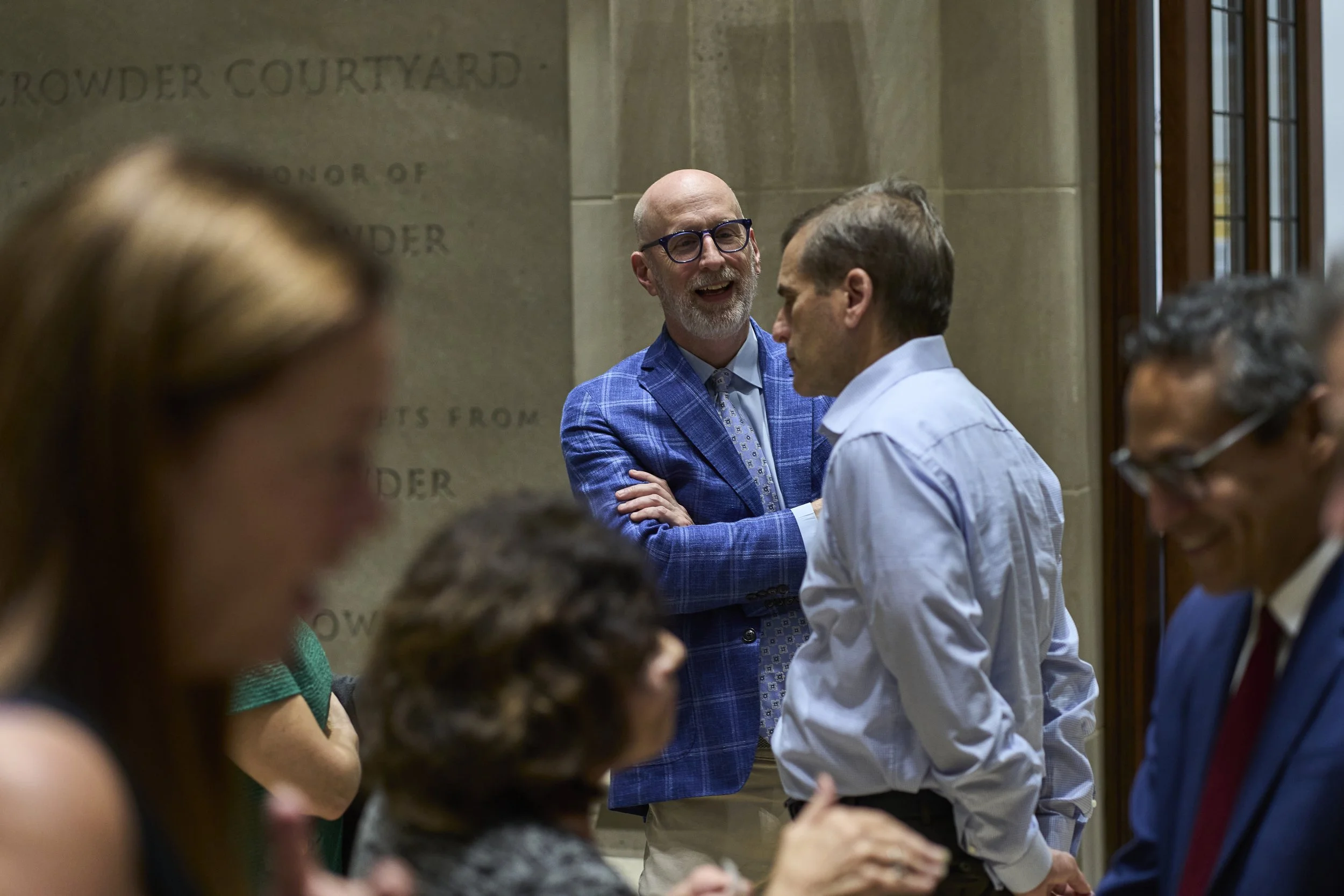
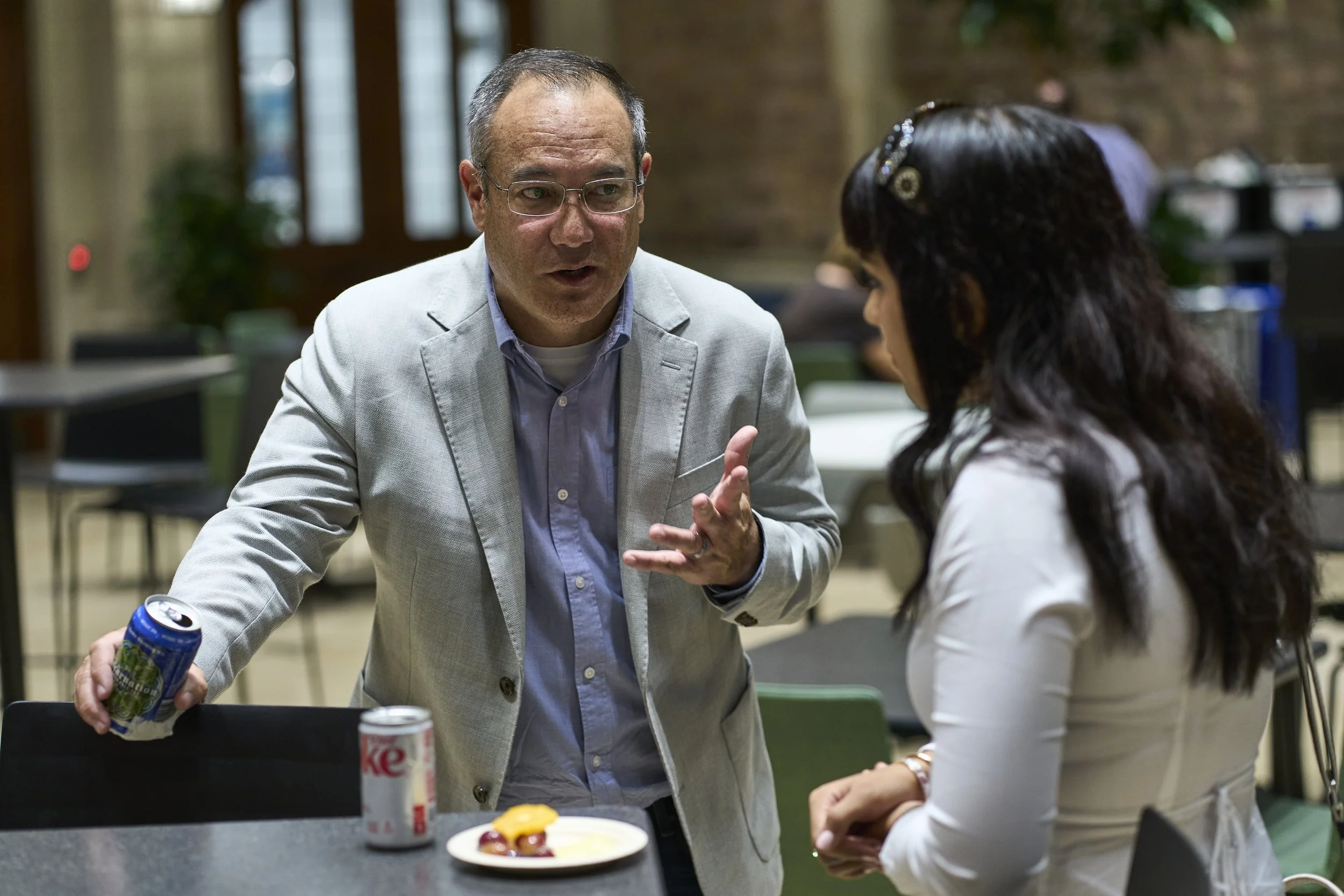
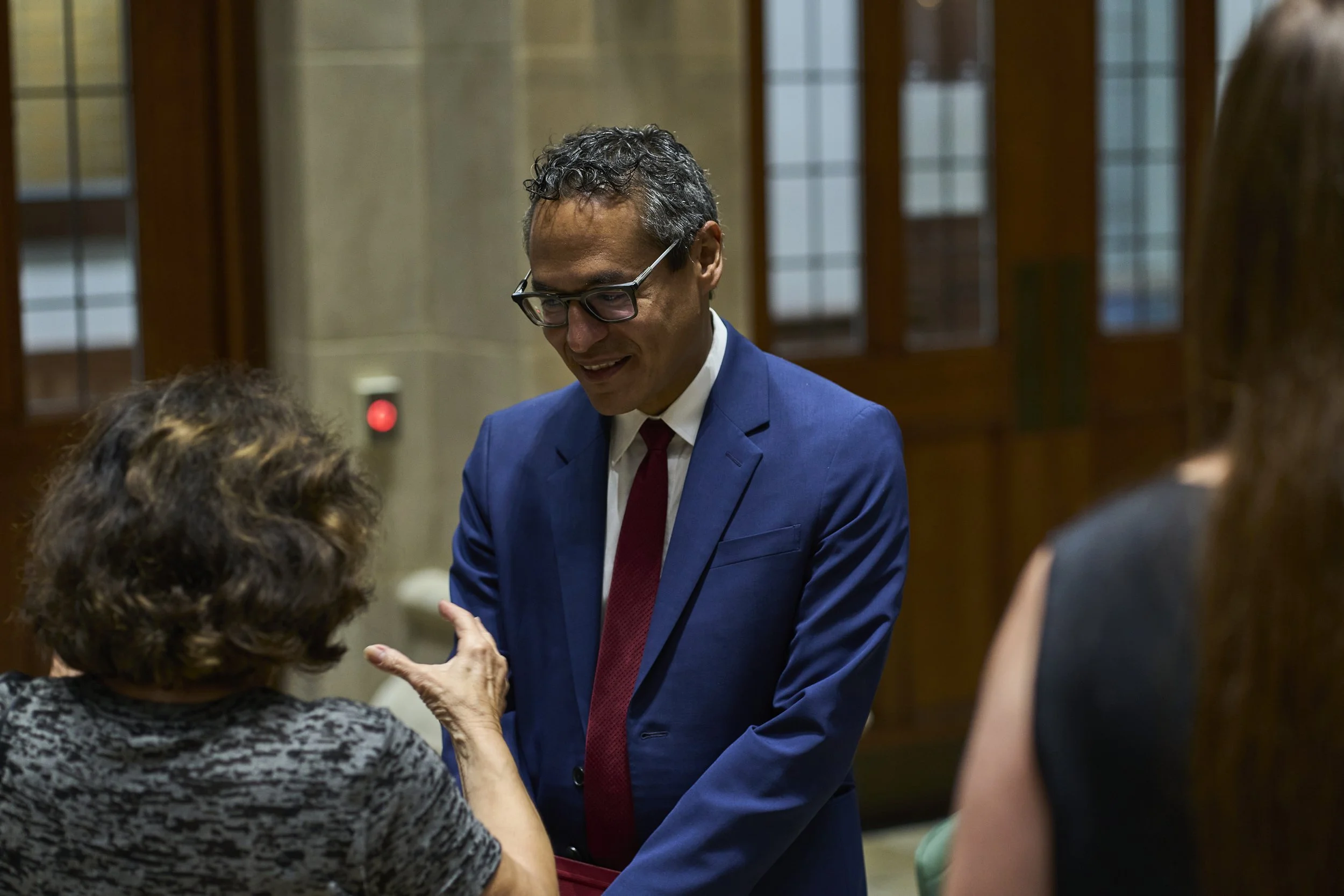
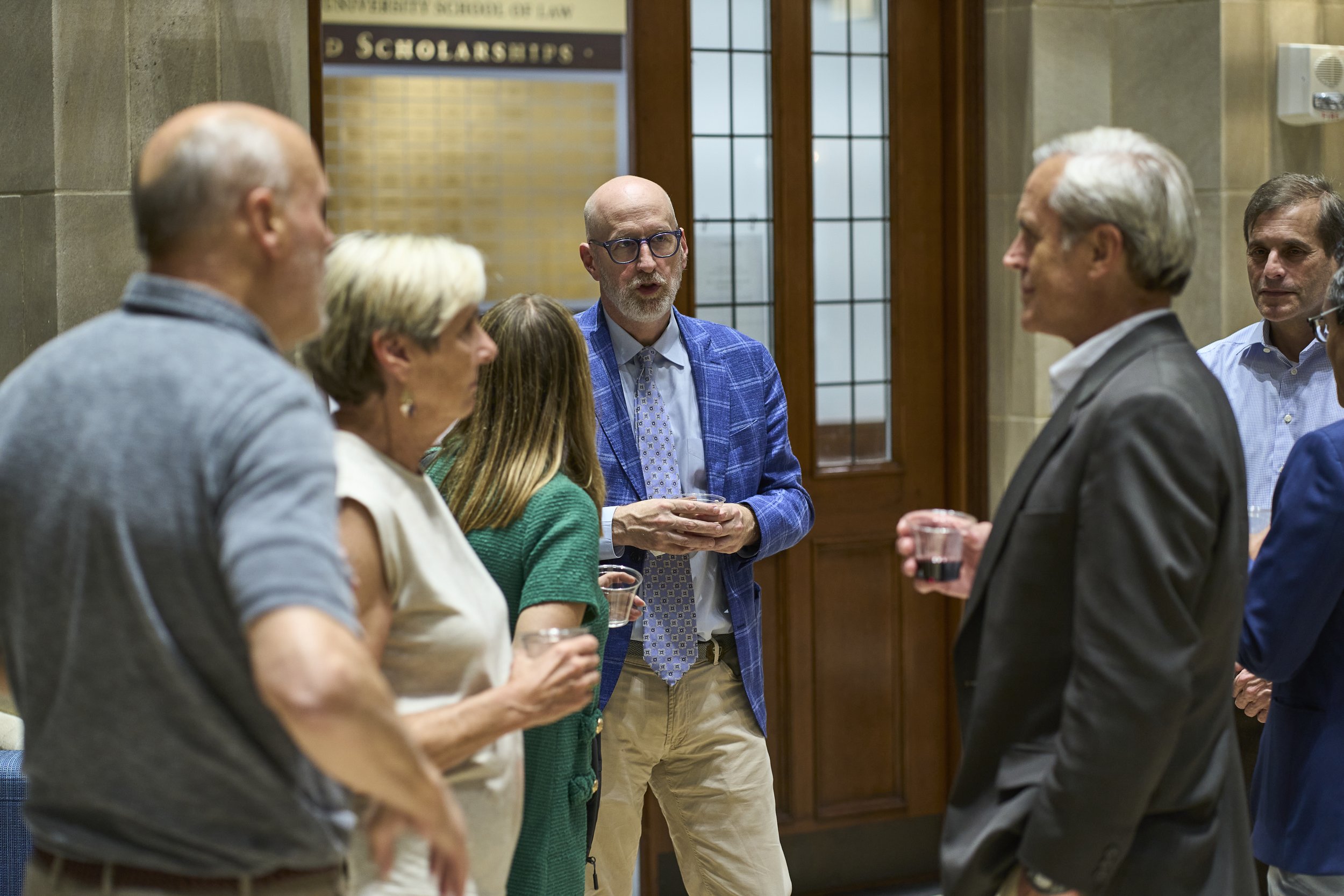
“Educating for Democracy: Pitfalls and Possibilities" is a panel discussion coming out of a conference convened by John Inazu. This dialogue moderated by John Inazu features David French, Roosevelt Montás, and Mary-Rose Papandera in conversation about the university’s purpose and its role in shaping democratic citizens and civic life.
John Inazu:
We've had a long and fun couple of days here, and it's great to be continuing this conversation. The title of this panel is “Educating for Democracy.” And I want to say at the outset that this feels both smaller and bigger than what we can possibly handle tonight.
It's smaller in this sense: There are roughly 4,000 colleges and universities in the United States. Only a handful of those are making the news right now. Only a handful of those are under immense pressure from different angles of the federal government and other places. WashU happens to be one of them. So we're sitting here at Washington University and we're part of a much larger ecosystem.
When we when we think about questions of educating for democracy, what it means, how you pursue disagreement on campus, in some ways we're necessarily contextualized locally. Many of you here are students or faculty or other friends of this university. But we also want to extend the conversation more broadly to higher education without losing the bubble completely on what we're talking about because at some point the activity of learning is similar and and in some ways it's very different depending where you and the resources you have the constraints you have on your life.
Tonight’s conversation is also bigger in light of what happened yesterday with the murder of Charlie Kirk. Whatever you thought of the guy, whatever you thought of the politics, this was a murder on a college campus in the middle of the debate, raising the kinds of stakes of the things we're talking about.
Faculty are very good about being grandiose about all that we do and offer to the world, and I don't want to do that. But I do think that these questions of how you educate for democracy, if it's not possible to answer those questions at places like this one with all of its privileges and opportunities and diversity and big ideas, then I really wonder where it would be possible in this country.
Those are the kinds of questions that I would love for our panel to help us unpack. So why don't I actually just start there. When we think about this framing of educating for democracy, think about how big or small of a question is it for each of you in the current moment as you think about the country, your own vocational roles, and where you are institutionally.
“When we think about educating for democracy—what it means, how we pursue disagreement on campus—we’re necessarily contextualized locally. But if it’s not possible at places like this one, with all of its privileges and opportunities, then I really wonder where it would be possible in this country.”
— John Inazu
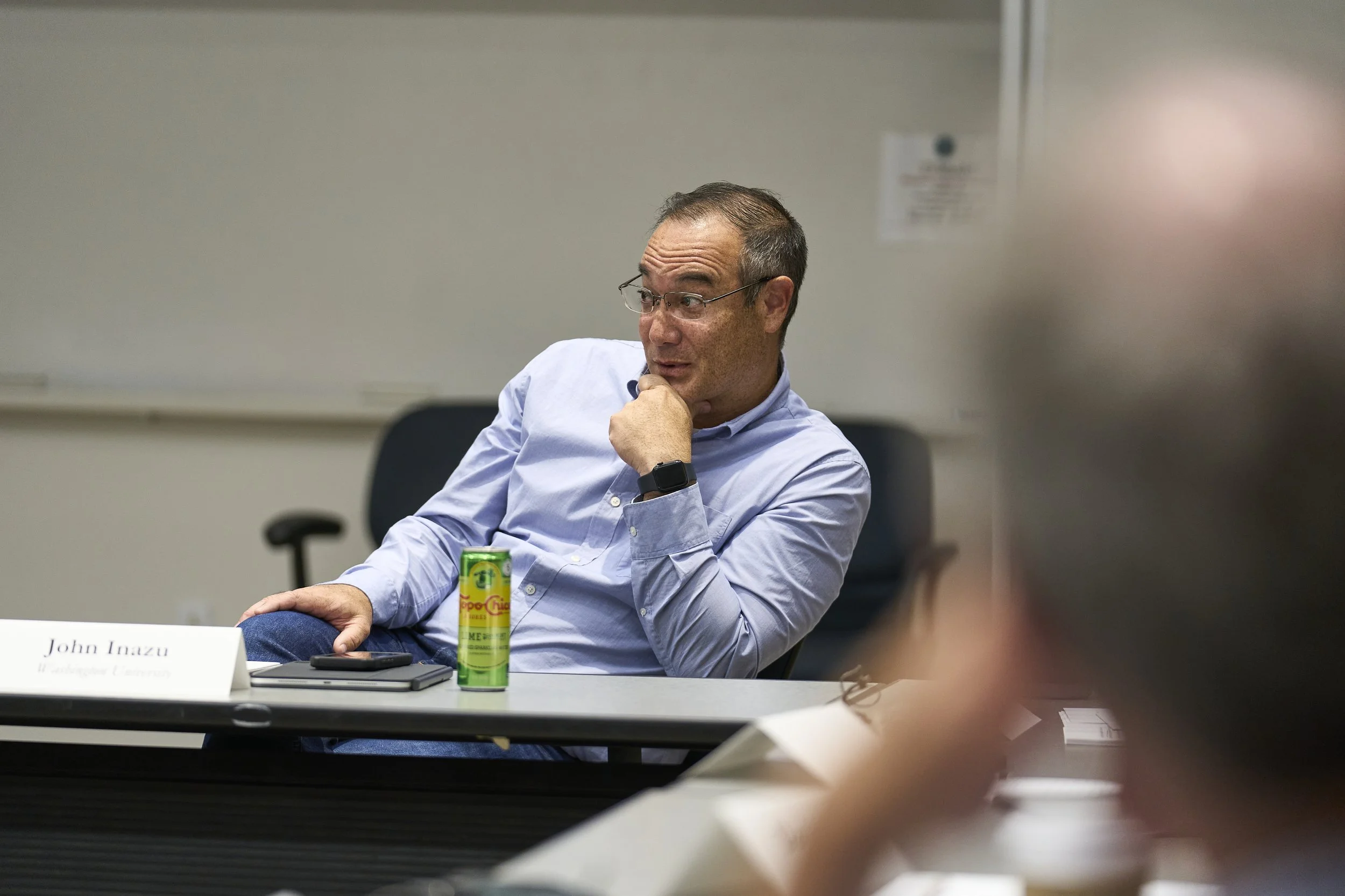
Roosevelt Montás:
It’s absolutely central to both my professional activity, my intellectual activity, and frankly the way I live my life. The chair that I occupy at Bard College is in liberal education and civic life. And in some sense, both of those terms are synonymous or closely embedded with the idea of democracy.
When we think about educating for democracy, the first thing that that is going to mean is that it's got to be an education for the entire population. You cannot educate for democracy only a few. By definition, you're going to have to educate all. The task of education in a democracy has to be primarily to equip students for that complicated task of self-governance.
I have a friend who likes to say that the problem with democracy is that the people rule. Education in a democracy has to be education on how to rule. It has to be education in self-governance. And self-governance both at an individual level and a collective level is no straightforward task. It is the most demanding task that one can imagine.
In fact, there's a big question whether it's possible at all. Some really extraordinary American figures like Lincoln talk about America as an experiment to see whether this idea that people could govern themselves actually works. That's what we're engaged in here. We are still in that experiment and some days you have doubts.
“Self-governance, both at an individual level and a collective level, is the most demanding task one can imagine. We are still in that experiment—and some days, you have doubts.”
— Roosevelt Montás
Mary-Rose Panpandrea:
When I think of this question, I really do take to heart some of your opening comments, John, which is that we have so many different universities and so many different colleges. And then we have a vast number of people who do not partake in higher education at all.
So when I think about educating for democracy, just that phrase alone, it's a much bigger project. One of the drums I was beating in the conference today was the importance of looking not just at universities and colleges, but also at K-12 public education. That is not the focus of this panel, but I just wanted to make sure I got to mention it.
I worked at University of North Carolina Chapel Hill for ten years. While I was there, I spent a year running the university strategic initiative to promote democracy. So by by necessity, I was focusing on what we could do at UNC with our students and with our broader community to promote democracy. I suppose in a way I dodged that more difficult question of educating everybody in the country about democracy in thinking about how could we train our students to be leaders.
The program we built had three pillars and I thought they were wonderful. One was to teach about civic engagement: learning how to vote, being an informed voter, engaging in the political process in whatever that may be. It didn't have a partisan lens.
The second pillar was to teach students how to engage in dialogue across differences. And and of course that's something you hear a lot about when people talk about educating for democracy.
And then the third pillar was about research on democratic institutions. And that's where you could have a much broader impact. The research enterprises of these universities can themselves help promote our understanding of democracy and what we might need to change.
Although I'm no longer at UNC, I do think that those three pillars are really the right approaches to trying to educate students for democracy at a given institution. I love the phrase educating for democracy and and I think of the university as really uniquely suited to do this.
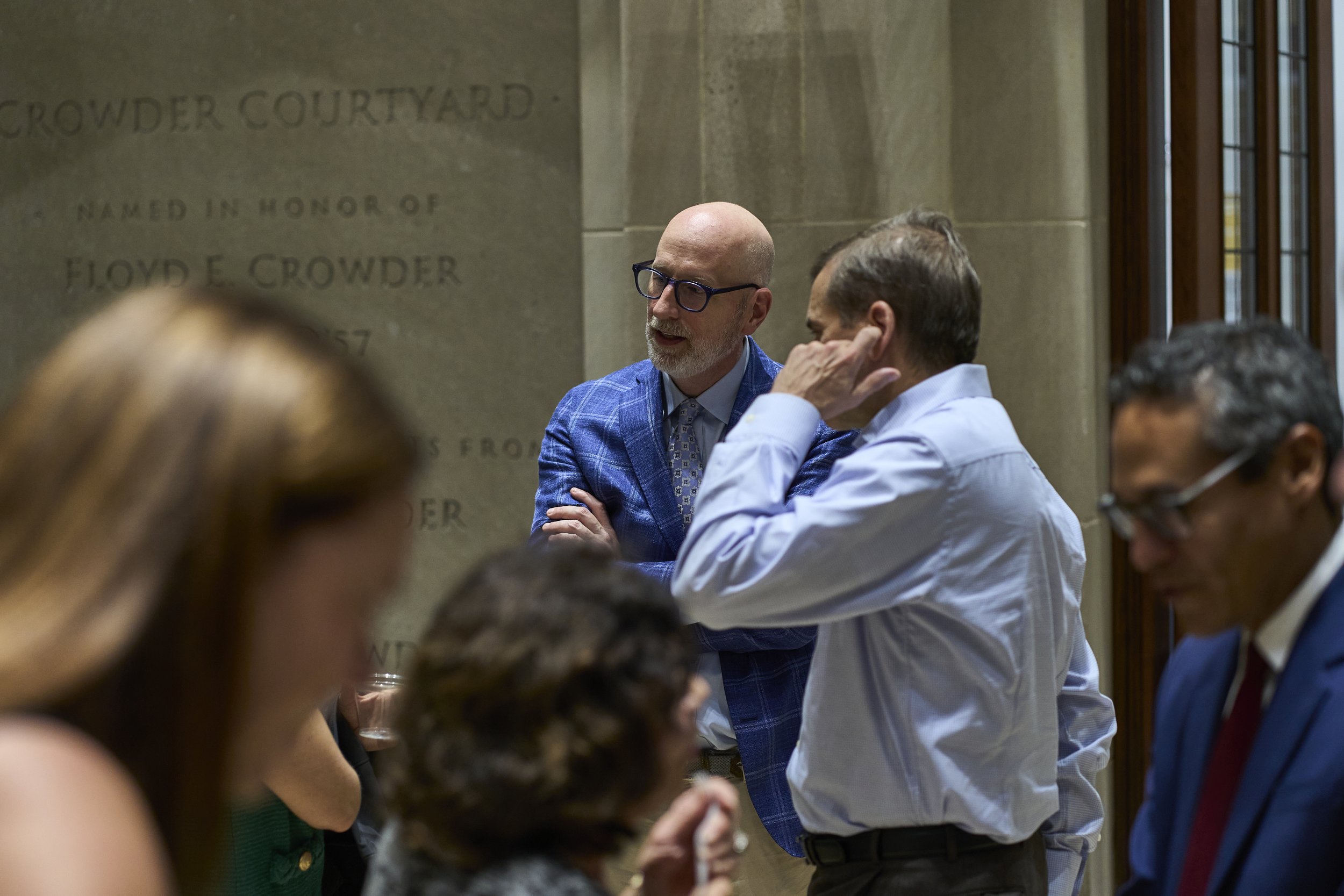
David French:
I teach undergraduates at my alma mater, Lipscomb University in Nashville, Tennessee. Go Bisons. When I teach my students, I teach them about the philosophies of the American founding, the legal philosophy of the American founding. One things that I emphasize to them is that while the founders were imperfect, they also got a lot right. And here's one thing that they got really right: liberty and virtue are inseparable from each other. If you separate them, a society conceived in liberty will fail. If you have liberty but no virtue, you're go veering towards chaos. Libertinism. Think about Carnival Cruise Lines. Liberty without virtue is chaotic. Virtue without liberty is fundamentalism. It is oppression.
And so we have to marry these two values. We have to marry the protection of liberty and the fostering of virtue. The founders under this. Look at the great documents from the founding. The Declaration of Independence: We're endowed by our creator with certain unalienable rights. Among them life, liberty and the pursuit of happiness. That's Jefferson.
Fast forward a few years to Adams in his letter to a Massachusetts militia. Adams talks about the other side of that coin: our constitution was made for moral and religious people. It's wholly inadequate for the governance of any other. Now if I was Adam's editor, I would have left off the “religious” because some religious people aren't that moral and some irreligious people are quite moral. but the the emphasis on morality is fundamental. Adams talks about how in the absence of virtue, vices like ambition, greed, and envy can cut through the cords of the Constitution like a whale going through a net.
So what is a kind of institution that has young people in the beginning of their adult lives for a concentrated period of time where you can do a deep dive into both of these values? Here you have this concentrated period where students have come, future leaders, people who are public-spirited, public-minded. And this is the moment, this is the opportunity to teach both liberty and virtue. And I feel like the extent to which universities have been failing, they're dropping the ball in one or both.
They're denigrating the value of liberty or they're redefining what virtue is often where your virtue becomes your positions. I'm a good person because I believe A, B, C, and D. Not I'm a good person because I treat people with kindness, respect, and decency.
“Liberty and virtue are inseparable. If you separate them, a society conceived in liberty will fail.”
— David French
John Inazu:
I have the privilege of teaching both undergraduates and law students. And if you're in the room tonight, you're brilliant. And you're also incredibly overcommitted.
This isn't just at WashU. This is at colleges around the country like WashU. For those of us who have aspirations to educate for democracy, I worry sometimes that while many of my students share the desire, the reality is there's sports practice that conflicts with a club meeting that conflicts with wanting to make friends that conflicts with checking in at home, and maybe having a job as well. So where is the time to do the whole educating for democracy thing?
There was a somewhat depressing article in the Boston Globe a couple weeks ago about Harvard undergraduates who are basically self-disclosing that they have no time for classes because they're too busy with the extracurriculars. If that is descriptively accurate, or at least somewhat plausible, how are the conditions even possible for those of us who want to educate for democracy? How does it happen at the hyper-competitive institutions like this one, where in in order to get in here, you've already in some ways lived a life that is lots of things at once and doesn't often give time for reflection or contemplation or conversation.
Mary-Rose Papandrea:
This is very depressing to me. I've been reading these articles. I have a 17-year-old son who's applying to college right now. I am despairing that we're going to find a place where he will be engaged deeply in the academic enterprise because I want him to be educated for democracy and for citizenship in all the ways that we have been discussing. I think these schools need to reform on this front. I know that it's hard.
I don't know why there is such a focus on extracurriculars instead of academics. I have heard that grade inflation is part of it because they don't need to go to class and they're highly smart, rational people. And so if they don't need to go to class and study very hard to get an A, then they can spend their time doing other things. And in fact, they need to do other things because if everybody is getting an A and they want to go on to a an prestigious job or a prestigious graduate or professional school, they have to distinguish themselves in other ways. So I don't have a solution to that problem except that I know it needs attention and it's not inevitable.
I would say professors can work hard to engage their students and make their classes interesting and encourage the students to want to be part of that enterprise. But I understand it’s hard—a professor who's more demanding and rigorous may not get enrollment. So this is a very depressing question, John, but I think it's something that schools you need to recommmit themselves and to the academic enterprise and make sure that the students appreciate the its importance.
Roosevelt Montás:
I’ll say that this mission of educating for citizenship that that we've been talking about, and that David articulated why it's so important, is not a mission that the university takes seriously. The curricula of university have by and large not been organized with that end in view.
There's a name for the kind of education that promotes and equips you for self-governance, for the exercise of liberty, for a free life. It's liberal education. And liberal education in colleges and universities today has been almost entirely subsumed by disciplinary studies. Disciplinary study is the opposite of a liberal education. A liberal education is a form of education that is not in the pursuit of a specific end goal. That is why it's liberal.
One way that American universities have traditionally put forth liberal education is roughly in what we call general education, which is a set of courses outside of your major that all of the students are supposed to take. If you look at what general education is at most schools, what you have is a kind of recipe where students take some courses in the humanities, and some in the social sciences, and some qualitative quantitative reasoning courses, and maybe sometimes language classes. Sometimes there's like a chronological requirement, some classes before 1800 or something like that.
But these classes are all disciplinary classes. The alternative is a dedicated curricular effort to design courses that equip students not for a major, not for a job, but that equip students for this task of managing the complex task of self-governance in their lives and in their society. These courses are going to necessarily deal with things like character, with things like moral categories, with things like responsibility and values, and notions of the human good, and questions like what kind of life is most worthwhile living for each of us. And those are questions to which the contemporary academy has become largely allergic. It's one of the reasons why liberal education is largely neglected, and it's why I began by saying that the contemporary university does not take the task of educating for democracy seriously.
“The contemporary university does not take the task of educating for democracy seriously.”
— Roosevelt Montás
David French:
Hang with me on this analogy. Anyone in here seen the TV show, Naked and Afraid? The premise is you're naked, and you are popped in a wilderness area with a partner who is also naked, and you're given nothing and you have to survive for three or four weeks.
And always the first drama on Naked and Afraid is the building of the fire. Okay, they have just kindling. Sometimes they brought a flint or maybe not. And there's this drama and they're trying and trying and trying and there's this moment when they get the first spark. It's exultant and then the two naked people are blowing on the fire.
That's what we have to do to revive liberal education. In many ways what we're dealing with is embers that have gone out on liberal education and not just in the institutional level. Students are not walking into campus saying, "I want a liberal education." They're saying, "I want a vocational education.” They’re saying, “I want the thing that is going to get me the job that I want right out of school." And so those of us who believe in the power of a liberal education have to sell the heck out of it.
I know there are people in this audience that I know personally who have done that phenomenally well, to the point where their classes get oversubscribed and their programs become popular. What is the common thread of all of the people I know who've been able to really make liberal education prosper and to get students to come alive? It's not a particular kind of charisma. It's not a particular kind of ideology. But it is absolutely a particular kind of commitment and enthusiasm. It is a love of the liberal arts that is contagious. It is an infectious enthusiasm about the liberal arts that is very contagious. And I think that that's one of the things that we have to do. We have to be enthusiastic about what the liberal arts can do not just for the human heart but also for the some of the very things that they're very worried about like: “What does this mean for my career? What does this mean for my future?”
We have to be able to demonstrate and to show how a commitment to the liberal arts, how a commitment to liberty and virtue actually are something that meets you on the terms where you're entering college—because you’re coming into college to get something that's going to be of enduring value. And we have to show that this is of enduring value.
In many ways it's on us. But at the same time it's also on the institutions. Because as we know, we have seen circumstances where professors and deans have been extremely successful, have had promising starts, and then universities will cut it off for political reasons, financial reasons, economic reasons. We have a tough challenge: we have to sell in every direction, we have to sell to the students, we have sell to the bean counters, we have to sell to the administrators. And that sounds very challenging, but we have the best product. If you talk to any good salesman, they're going to tell you it really helps if you have a good car to sell. We've got the best car to sell. Communicate that to students and show in concrete ways how this is going to make your life better, richer, more complete, more full.
John Inazu:
Okay, let's stick with the car metaphor here. We've got the car, but we still need the showroom and we need the back office people and the guy to try to sell you the loan at an inflated rate. That's all the institution, right? We've touched on curriculum, we've touched on the extracurricular, there's also the institution.
As I told our colleagues earlier today, for my sins this year I've been appointed to not one but two university committees. One of them is I think colloquially the committee on diversity, equity, inclusion, and the other is the committee on protests and expression. I don't think any of those questions are even answerable without understanding first what is the purpose of this place. What are its values? What do we care about?
And I'm sometimes confused about what the purpose of this place is. I've never heard it as to pursue a liberal education. I've never heard it as to educate for democracy. I have occasionally heard it as “In St. Louis for St. Louis,” although that doesn't feel comprehensive to me. In the absence of a purpose, focus, and values of an institution, how do we even get to not just the downstream activities of educating for democracy, but the related and important policy questions: What does diversity look like and why does it matter? What do protest and expression look like and what are their limits?
Maybe I'll start with Mary-Rose. Am I wrong in the assumption that you have to start with purpose? Is there a way to circumvent this and make it all easier? Can you save me time and heartache on these committees or or or do we have to wrestle fundamentally with these institutional questions?
“How do we even get to the policy questions—diversity, protest, expression—without first knowing the purpose of the institution itself?”
— John Inazu
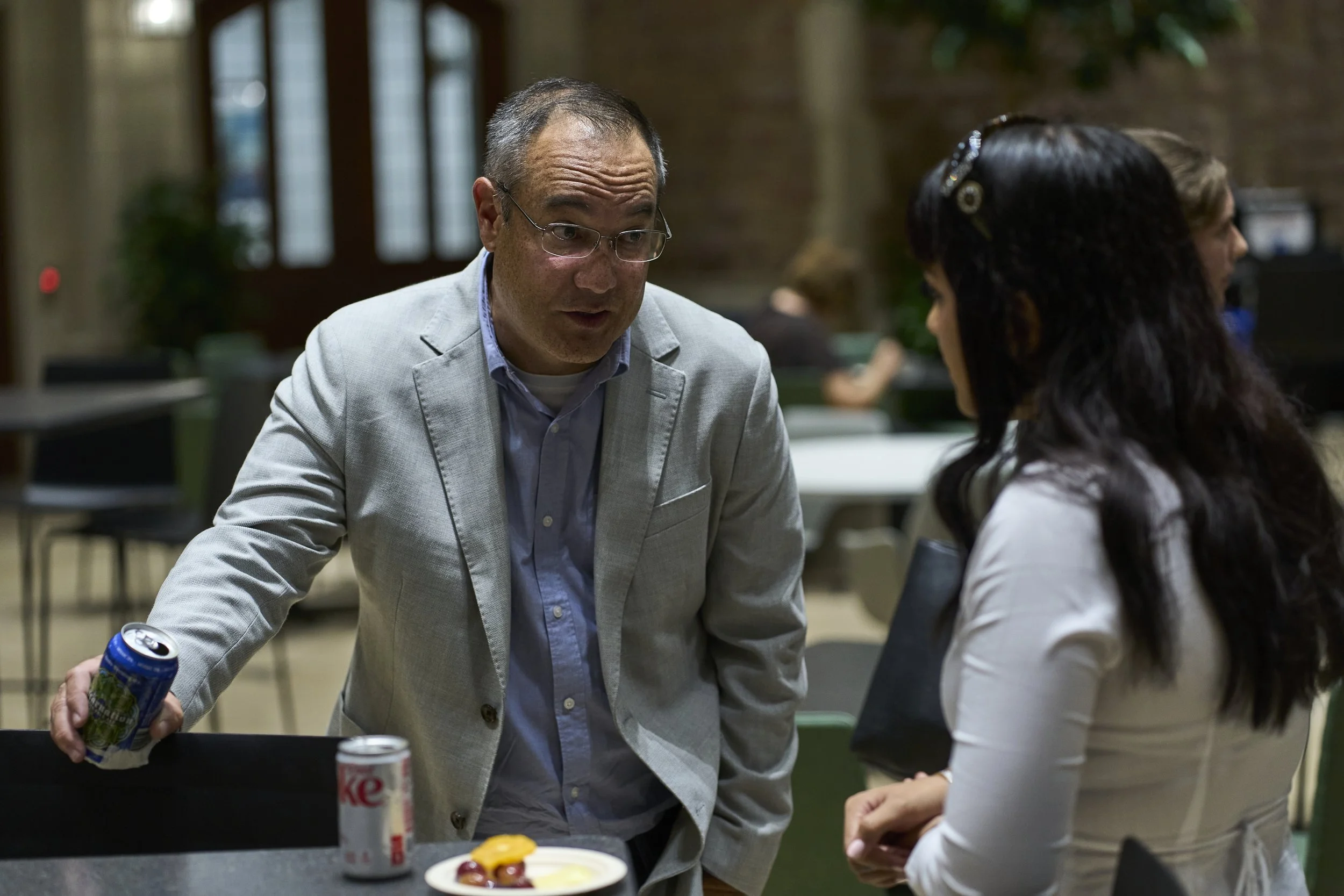
Mary-Rose Papandrea:
Well, if you were at a state institution, some of your protest policies would be very easily resolved because there's a whole body of law that would help govern your decisions. I think what's interesting is that since October 7th some scholars have suggested that private universities should reconsider their voluntary commitment to free speech principles.
Many private universities have committed themselves to First Amendment principles even though they don't have to because they are not government actors so they're free to have their own rules. but as a matter of student policies and conduct policies and essentially contractual language they have committed themselves to these free speech principles. I personally think this commitment to free speech principles on college campuses, public or private, makes a lot of sense. I'm leaving the religious institutions aside—they may have a different mission where some curtailment of speech is appropriate.
When I was running the Democracy Project at UNC, this was a few years ago before President Trump came into office the second time. And it was very much one of my core missions to reconcile the call for diversity, equity, and inclusion on campus and a commitment to a robust marketplace of ideas on the campus. I strongly believe that they were and are compatible. I this is partly because of my knowledge of history that that you need to have robust protections for speakers coming from all directions in order to protect minority speakers.
So they're not inconsistent and I really resisted the idea that it was an either/or choice. I think there are these days some very difficult legal questions since the Supreme Court's decision striking down affirmative action and admissions. There have been many who have interpreted that decision much more broadly than it is on its face.
But there is a more pragmatic inquiry. We see universities losing funding for not rejecting diversity, equity, and inclusion principles, or having an office that's still named ”DEI” for example. And that's a difficult question for the university. Is it going to be true to its mission and continue to have programming, have a black student association or a women engineer program? I do not envy university leaders where they have to make these very difficult controversial decisions. Do they take a risk and stick to their values and their principles? or do they take a safer route?
So, I'm sorry, John, I think you have a lot of work to do on those committees.
“It won’t serve a university’s purpose to restrict speech. Free speech and diversity are not inconsistent—they are mutually reinforcing.”
— Mary-Rose Papandrea
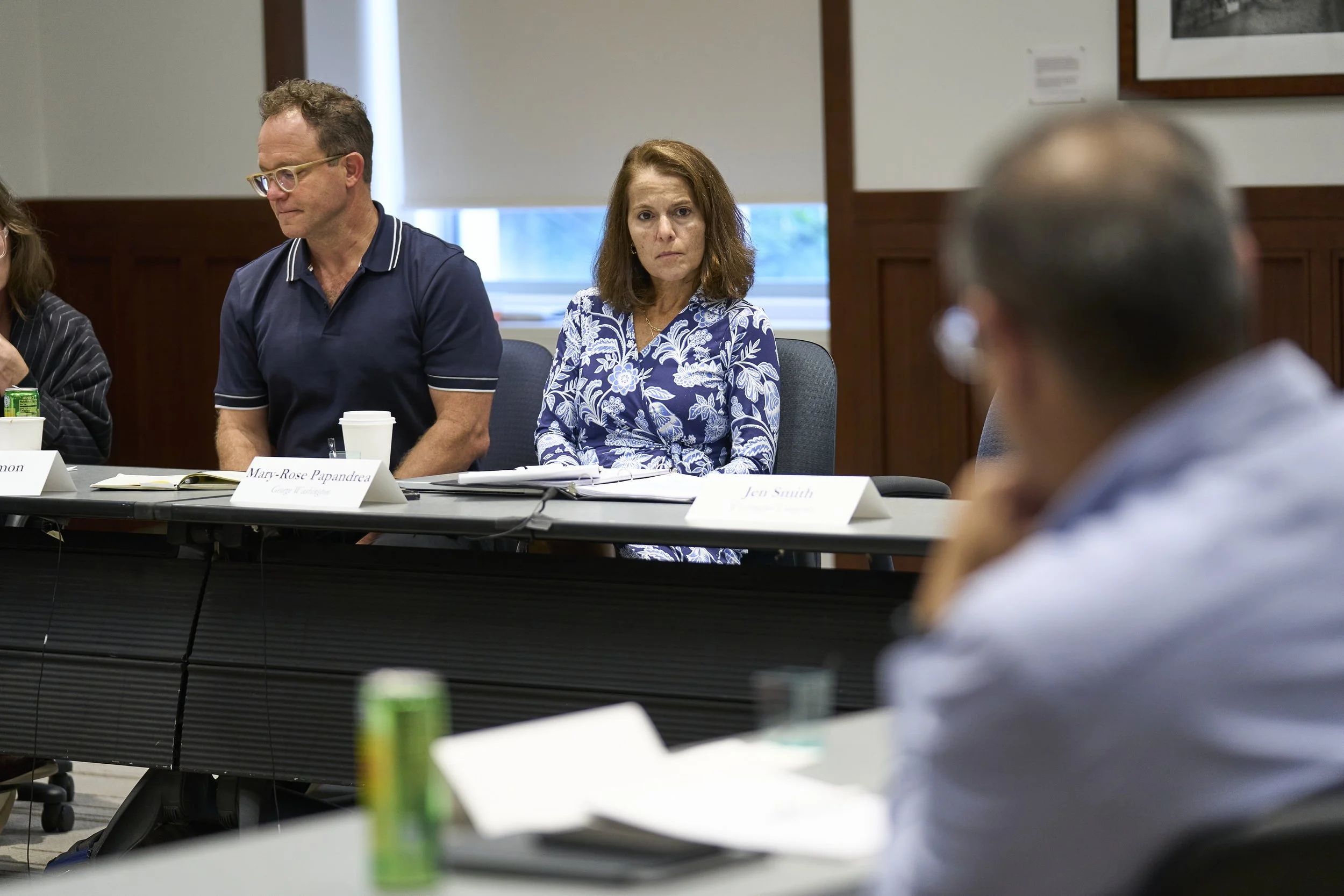
John Inazu:
Let me tee up a question for David based on what you just said. To me, the best of DEI and the best of what I would loosely characterize as a conservative civil discourse effort— when they meet they're actually asking very much the same thing: Do I belong here fully? Will I be protected in all the right ways to be part of a community that doesn't look, feel, believe exactly like I do, but that will take me seriously and will give me the opportunity to flourish? Not necessarily to end up believing exactly what you think, but to understand myself better, particularly in these formative college years, to understand that the world is not all like me, and to understand that some of these differences are so painful and so big that they're not going away.
So, for the rest of our lives, we're going to have to negotiate and navigate these differences—one label for this is pluralism. And if there are ways to help both partisan sides of these efforts recognize that they often want the same thing, if there are ways to build communities of trust across some of these ideological differences—it seems to me that the longer term staying power of that coalition building would be far better than “Here is the training policy you have to do” or “Here is the new civil discourse program we're going to have at the university.”
How do we work together to see in each other this desire for belonging and understanding? David, fill this out a bit and and say more about the possibility.
David French:
Well, I want to circle back on something you just said as well, which is the fact that somehow we allowed free speech and diversity to be put at odds with each other. That has been catastrophic for our conception of free speech. It has been catastrophic for the way we conduct ourselves in the public square. And it's completely ahistorical.
Where does this nonsense come from? I remember many years ago I was talking to the Reverend Walter Fauntroy, who was one of the key leaders back in the heart of the civil rights movement. And I remember asking “Reverend, I know we still have a long way to go, but it's absolutely the case that between Brown vs. Board of Education and the Voting Rights Act, we had more legal change in the United States of America in ten years than we'd had in the cumulative 300 plus years of American civilization. What do you attribute that to?
And his answer was fascinating. He said, "Almighty God and the First Amendment." He said, "The First Amendment gave us the right to speak, and Almighty God softened men's hearts." He said, "Without the first amendment, without free speech, the civil rights movement would have been a bird without wings."
Think of it like this. A lot of folks don't realize that the free speech environment we live in now legally is very new in American history. It wasn't until the 1920s that the First Amendment was even held applicable to state and local governments. So state and local governments could absolutely censor you and repress you without recourse. You had no first amendment recourse. So I ask you, since the mid-1920s when the First Amendment was incorporated, are marginalized communities in the United States better off or worse off than the mid-1920s? Better off by 5,000 miles.
Why are they better off? Well, you won't say completely and entirely because of free speech, but free speech was indispensable to this. And if anyone doubts how free speech is indispensable to justice in this country, the best single essay in defense of free speech in my view ever written is Frederick Douglass, “A Plea for Free Speech in Boston 1860.” Go read it. It will take you a total of four minutes. But he says some powerful things: “Free speech is the great moral renovator of society and government. It is the dread of tyrants. It is the first liberty they seek to extinguish.”
If you doubt that, try protesting the war in Russia. Can't do it.
And Douglass doesn't just talk about a right to speak. He talks about a right to hear. Free speech is a gift not just for the speaker, it's a gift for the listener as well. And when you put all of those things together, what you have is this engine for social change that in American history has helped us fulfill our the promise of our founding almost more than anything else.
So why would we say that diversity and free speech are at odds with each other? They're not. And in fact, I would say without free speech, we ultimately can't have real pluralism and real diversity. And that is a message that we need to educate people about. That history that I just shared with you, the fraction of people who know that history is infinitesimally small.
John Inazu:
Let's talk about universities and particularly private universities. Roosevelt, you recently started a position at Bard College, but you spent a lot of time at Colombia before that. And there are ways in which Colombia is similar to WashU institutionally. And one of the questions that came up earlier today was: What is the public good of these private schools? And we might even say the elite privates especially.
Mary-Rose, earlier you were talking about your experience at UNC Chapel Hill. As I heard you describing what you were doing, I was thinking: “there is a public good there.” I understand what the good is for the people of North Carolina, whose tax dollars are going to support this university.
Right now in this country, particularly for places like Colombia and WashU, the question is being raised: “What is the public good that justifies quite a few tax dollars to support salaries like ours and rooms like this?”
So talk a bit about the public good of the privates.
Roosevelt Montás:
I think that's a really important question, a really hard question.
I think that we have to wonder about the whole existence of an elite tier of universities. I think there's a lot of good work out there—we talked we talked some about some of it today in Evan [Mandery’s], extraordinary book tracing and arguing the ways in which our elite institutions have become mechanisms for reproducing and solidifying inequality. The ways in which they have become engines for the reproduction of privilege. The ways in which they have become mechanisms for translating hierarchies of privilege into hierarchies of merit.
So while I do think that many of our so-called elite institutions have and do can provide a public good, I am loath to defend the existing configuration of that hierarchy that puts some some schools into into that elite category.
But I was educated at an elite university. I've spent my entire career teaching at an elite university. I have been benefited beyond what I could articulate by that education. My life has been enriched by the people I have met there. I'd like to think that my teaching there has also made a positive difference on many students that sat in my classrooms. So at a kind of individual and retail level, you can pick out a lot of important goods that these institutions promote.
But I think that there is something fundamentally wrong and fundamentally broken about the existing configuration of the field.
John Inazu:
Mary-Rose, you recently left the public university to the join the elite university. Let's talk about your experience contrasting the two and and how you navigate or think through some of these questions.
Mary-Rose Papandrea:
Sure. Well, I've been at George Washington only for a couple of months and so I'm still learning a lot about that institution. I'm still very influenced by my time at UNC as you can tell. If you compare it to the top public universities like Berkeley and UVA and Michigan and Texas, the UNC system—and the legislature which supports it—has made a very concerted effort to serve the state of North Carolina. And that influences every decision that is made on that campus because it it is funded by the state.
It just happened historically that when this country was founded, we did not found a national university the way that many other democracies did. We don't have the University of the United States of America. Instead, at the founding, we saw these private, often religious, universities founded. That's just what happened and it doesn't mean that they don't serve the public's interest. We then of course had land grant universities and various state universities. So we have a mix, but just because the university is private that somehow it's not serving the public good.
One thing we must mention is that right now when universities are under attack, mostly we see universities justifying their value by pointing to their research. And that's something that the general public can more readily appreciate. It's much harder to sell to the general public that we need to have a place where a small percentage of the state can come and have deep thoughts and lead our democracy.
“You can’t have democracy if only a small percentage of people are educated for it.”
— Mary-Rose Papandrea
David French:
Can I put an exclamation point on that real fast? There is no such thing as the university as a singular entity in the United States or a university culture that is a singular entity in the United States. An SEC school like Alabama is a very different educational experience from Dartmouth or Oberlin. The school where I teach, Lipscomb University, is a private Christian school in Nashville that is a very different experience from WashU.
We have more genuine diversity in American higher education than we've had in my adult lifetime. When I started as president of FIRE [the Foundation for Individual Rights in Education] in 2004, the university in America that had the worst free speech environment in the country was, drum roll please, the University of Alabama. It was super politically correct. Speech codes for faculty and students. And now a lot of these big state schools have very intentionally doubled down on free speech, very intentionally doubled down on creating centers and academic programs that are designed to bring in people from broad ideological ranges. So I just want to say the university is not broken. Many universities are, but many are not.
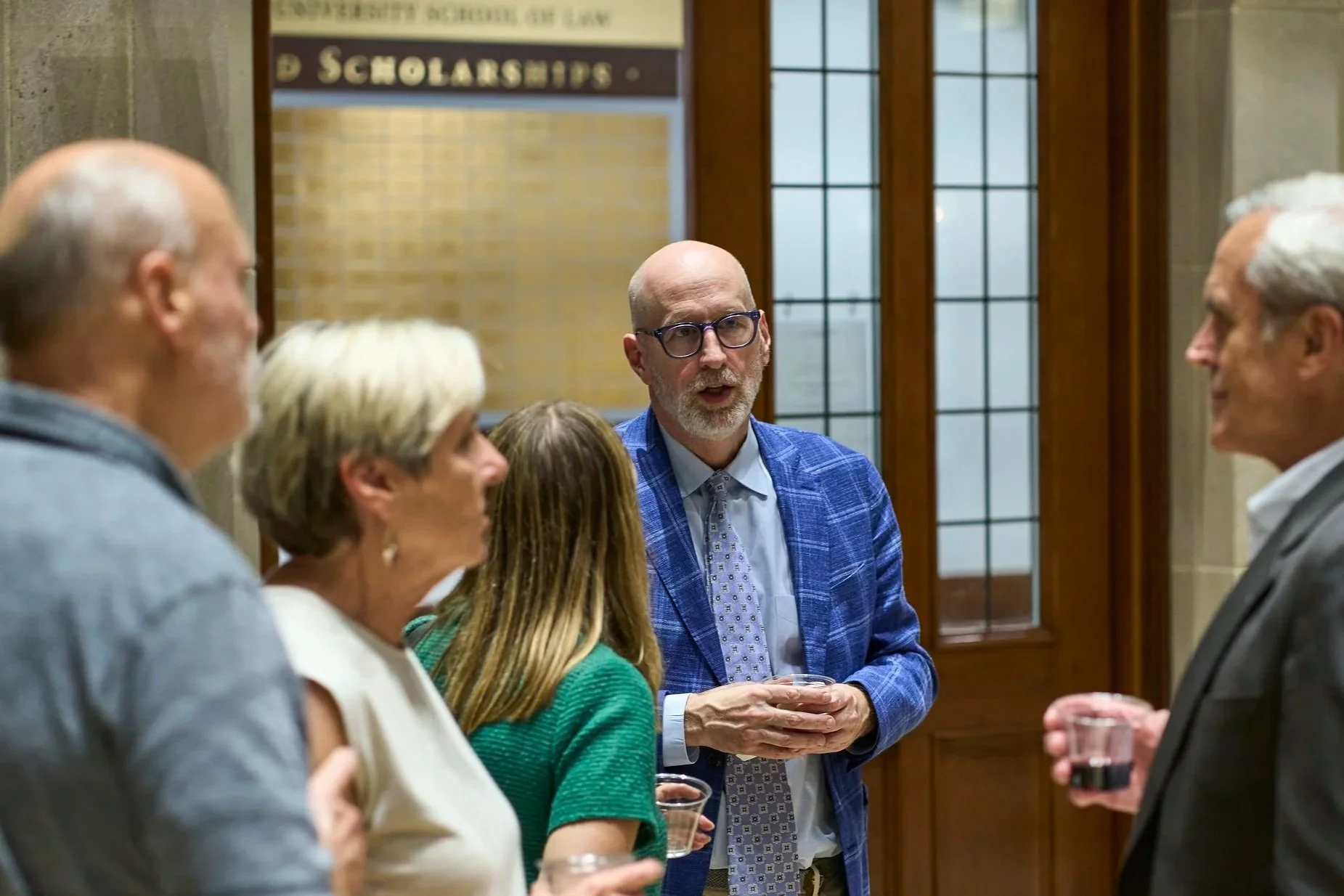
“There is no such thing as the university in America. We have more genuine diversity in higher education than at any point in my lifetime.”
— David French
John Inazu:
One last question for you, David. How, and in what ways, does yesterday’s killing of Charlie Kirk change the question of educating for democracy in institutions like this one? You wrote a column this morning in the New York Times on these issues. And I would love for you to apply what you've been thinking about in the last 24 hours specifically to the context of the university and the kinds of questions we've been asking tonight.
David French:
The assassination of Charlie Kirk was pure evil. And it would be pure evil no matter where it occurred—if it had occurred at his house or at the grocery store or wherever. But the fact that it happened on a university campus while he was in the process of a debate meant that the assassin's bullet wasn't just aimed at Charlie Kirk. It was also aimed at the the heart of the American public square. It was saying that in a place that should be where we can talk about the hardest issues—that conversation is going to be cut off by a bullet. That is incredibly dangerous. It's dangerous for the precedent sets for other assassins, but it's also dangerous for the fear that it instills in colleges and universities. And so I think that the reaction to this moment has to be absolute defiance. It has to be an absolute clear clarion call that no assassin can close the American public square. So right now we have to say the American experiment—it is going to be sustained and is going to be defended. And one way we're going to defend it is we're going to keep speaking and we're going to do what is necessary to protect students as they speak, what is necessary to protect faculty, and anyone who's a guest on campus. That has to be the response. You cannot give into fear in this moment.