About the Conference
Educating for Citizenship
Today, many colleges and universities have long lost any sense of a coherent purpose. They are instead driven by non-academic priorities like patient care, athletics, and prestige rankings. Not all of these priorities are bad, but all sit in tension with an academic focus. The harder question is: what would a genuine academic focus look like today?
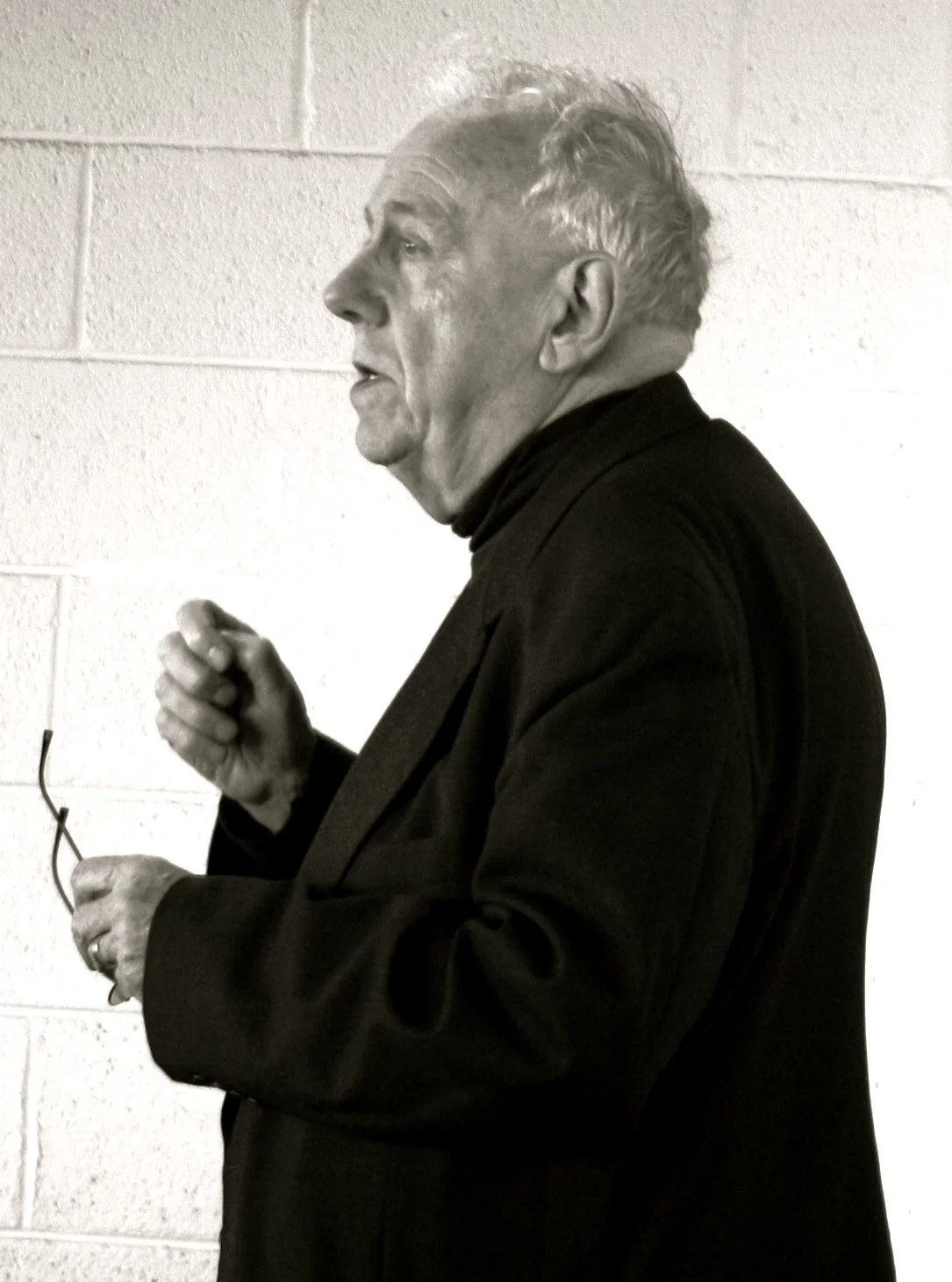
Photo by: Sean O’Connor
The philosopher Alasdair MacIntyre offers one possibility in his 1994 book, Three Rival Versions of Moral Enquiry. MacIntyre envisions the university as
“a place of constrained disagreement, of imposed participation in conflict, in which a central responsibility of higher education would be to initiate students into conflict.”
In other words, rather than avoiding disagreement, the university should teach students how to inhabit it.
For that to happen, MacIntyre argues, faculty would assume a “double role.” Because none of us is neutral or objective, our first role would be as advocate of a particular viewpoint. In this role, we would:
. . . enter into controversy with other rival standpoints, doing so both in order to exhibit what is mistaken in that rival standpoint in the light of the understanding afforded by one’s own point of view and in order to test and retest the central theses advanced from one’s own point of view against the strongest possible objections to them to be derived from one’s opponents.
The second role would be as institutional citizen:
. . . that not of a partisan, but of someone concerned to uphold and to order the ongoing conflicts, to provide and sustain institutionalized means for their expression, to negotiate the modes of encounter between opponents, to ensure that rival voices were not illegitimately suppressed, to sustain the university as an arena of conflict in which the most fundamental type of disagreement was accorded recognition.
Taken together, these two roles reframe some current calls for “ideological diversity.” The goal should not be to tally the number of liberal and conservative faculty at any given institution but to cultivate faculty who know their own non-neutral commitments and who are committed to welcoming opposing ones. That’s the kind of ideological diversity worth fighting for.
Realizing this kind of constrained disagreement is crucial not only for the future of higher education but also for the future of navigating a diverse democracy, where deeply held convictions will continue to clash. Universities at their best are training grounds for this kind of citizenship.
But universities are not at their best these days. And if they to reclaim a more coherent purpose, to make the case that they indeed educate for citizenship, they will need to experiment with the concrete practices and structures that embody MacIntyre’s vision. That requires spaces where faculty and students can test what constrained disagreement looks like across diverse perspectives and ways of seeing the world. These kinds of spaces do not appear out of nowhere—they begin with small efforts to build trust through relationships over time.
In September 2025, John Inazu convened a diverse group of scholars and public commentators to examine these questions about the university’s role in shaping democratic citizens and civic life. The conference was generously funded by the Templeton Religion Trust; Washington University School of Law; the Weidenbaum Center on the Economy, Government, and Public Policy; and the John C. Danforth Center on Religion and Politics. This website captures its content and ideas. We invite you to read and engage with the ideas you find here and then learn even more in the recommended readings.
Conference Leaders &
Conversation Participants
Meet the thinkers and teachers who guided our discussions
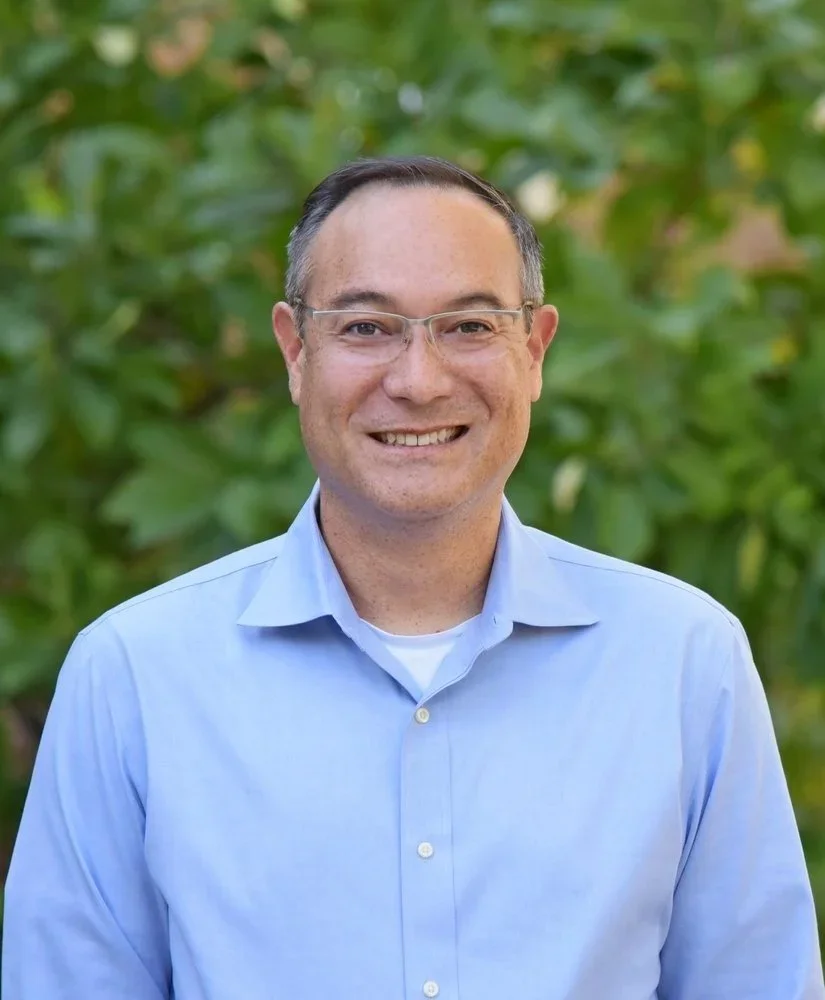
John Inazu (Convener)
John Inazu is the Sally D. Danforth Distinguished Professor of Law and Religion at Washington University. His latest book is Learning to Disagree: The Surprising Path to Navigating Differences with Empathy and Respect (Zondervan, 2024). Inazu is the founder of The Carver Project and the Legal Vocation Fellowship, a Senior Fellow with the Trinity Forum, and a Senior Fellow with Interfaith America, where he co-directs (with Eboo Patel) the Newbigin Fellows. He holds a B.S.E. and J.D. from Duke and a Ph.D. in political science from UNC-Chapel Hill. Prior to teaching law, he served for four years as an associate general counsel with the Department of the Air Force at the Pentagon.
-
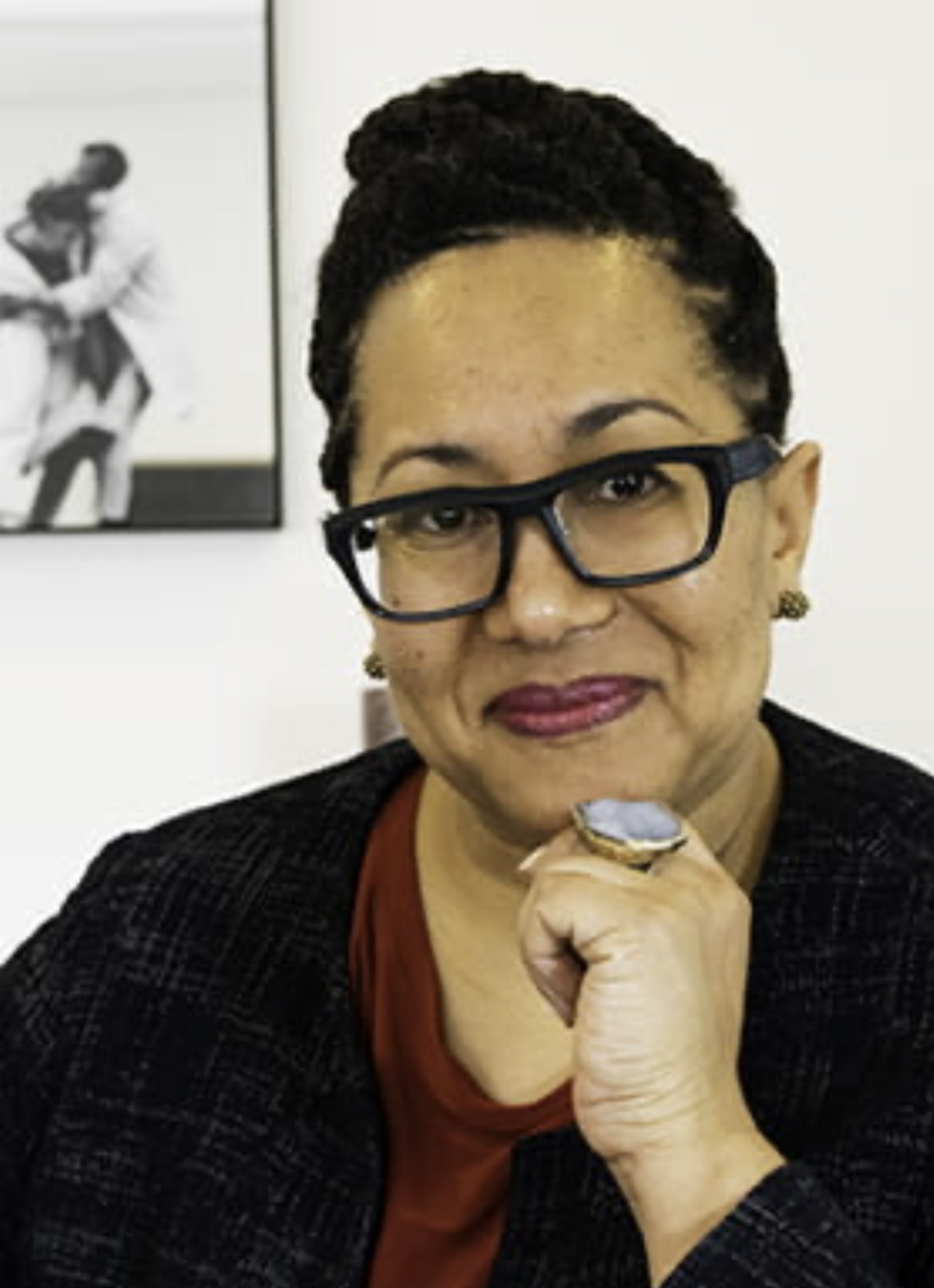
Adrienne Davis
Adrienne Davis holds a dual appointment at Washington University as the William M. Van Cleve Professor in the School of Law and Professor of Organizational Behavior in Olin Business School. She also holds courtesy appointments in the departments of African and African-American Studies, History, Sociology, and Women, Gender & Sexuality Studies in the College of Arts & Sciences. Davis is a graduate of Yale College and Yale Law School, where she served on the Executive Committee of the Yale Law Journal.
-
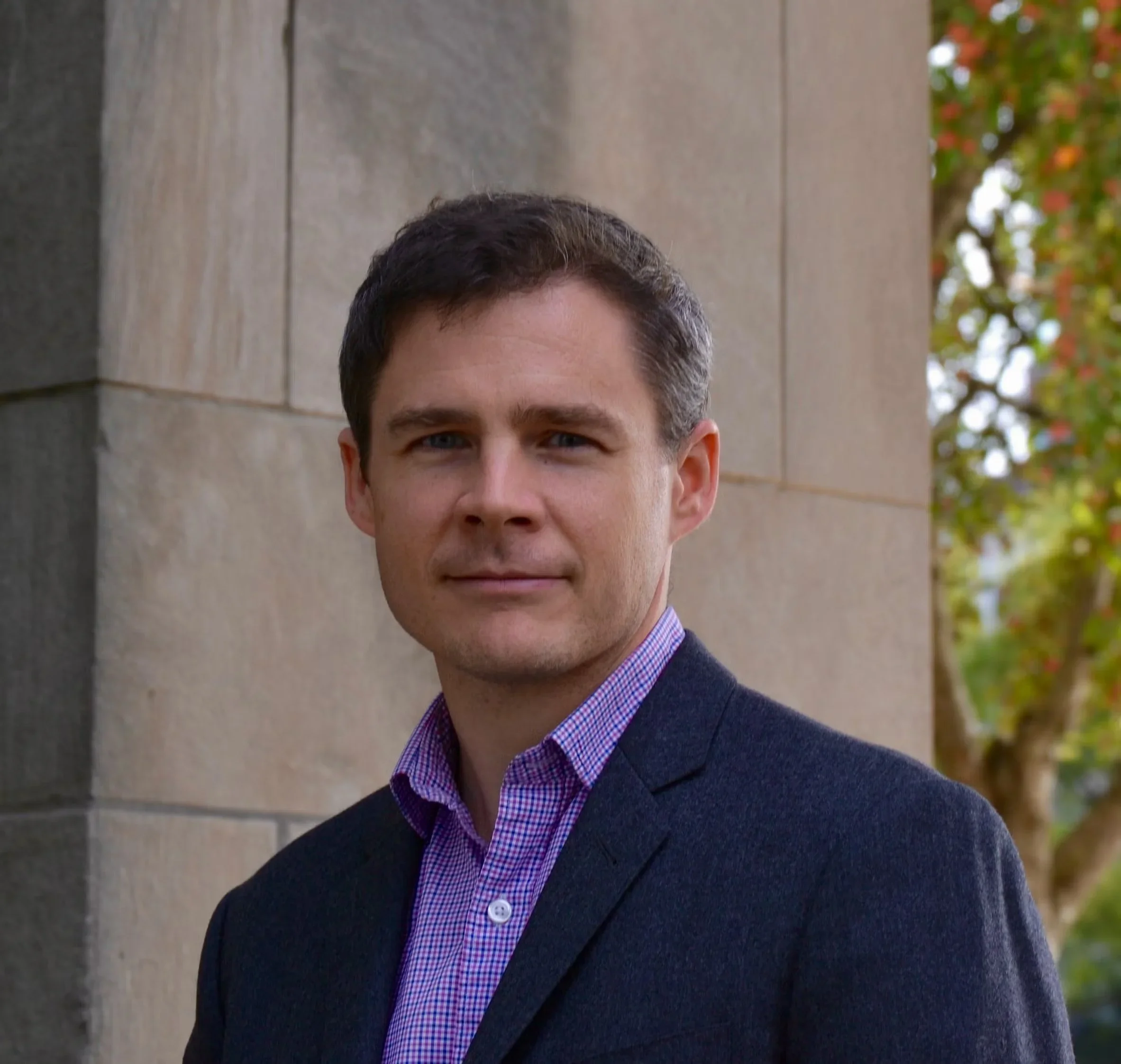
David Decosimo
David Decosimo is an Associate Professor in University of North Carolina's School of Civic Life and Leadership. Previously, he was tenured at Boston University and Director of BU’s Institute for Philosophy & Religion. He received his Ph.D. from Princeton University, an MA from the University of Chicago, and a BA from the University of Virginia. His book, Ethics as a Work of Charity: Thomas Aquinas and Pagan Virtue (Stanford University Press, 2014), won Heidelburg University’s Manfred Lautenschlaeger Prize, and his articles on topics such as al-Ghazālī, torture, and freedom have been published in leading journals. As a commentator on civic life and higher education, his writing has appeared in The Wall Street Journal, The Boston Globe, and The Washington Post.
-
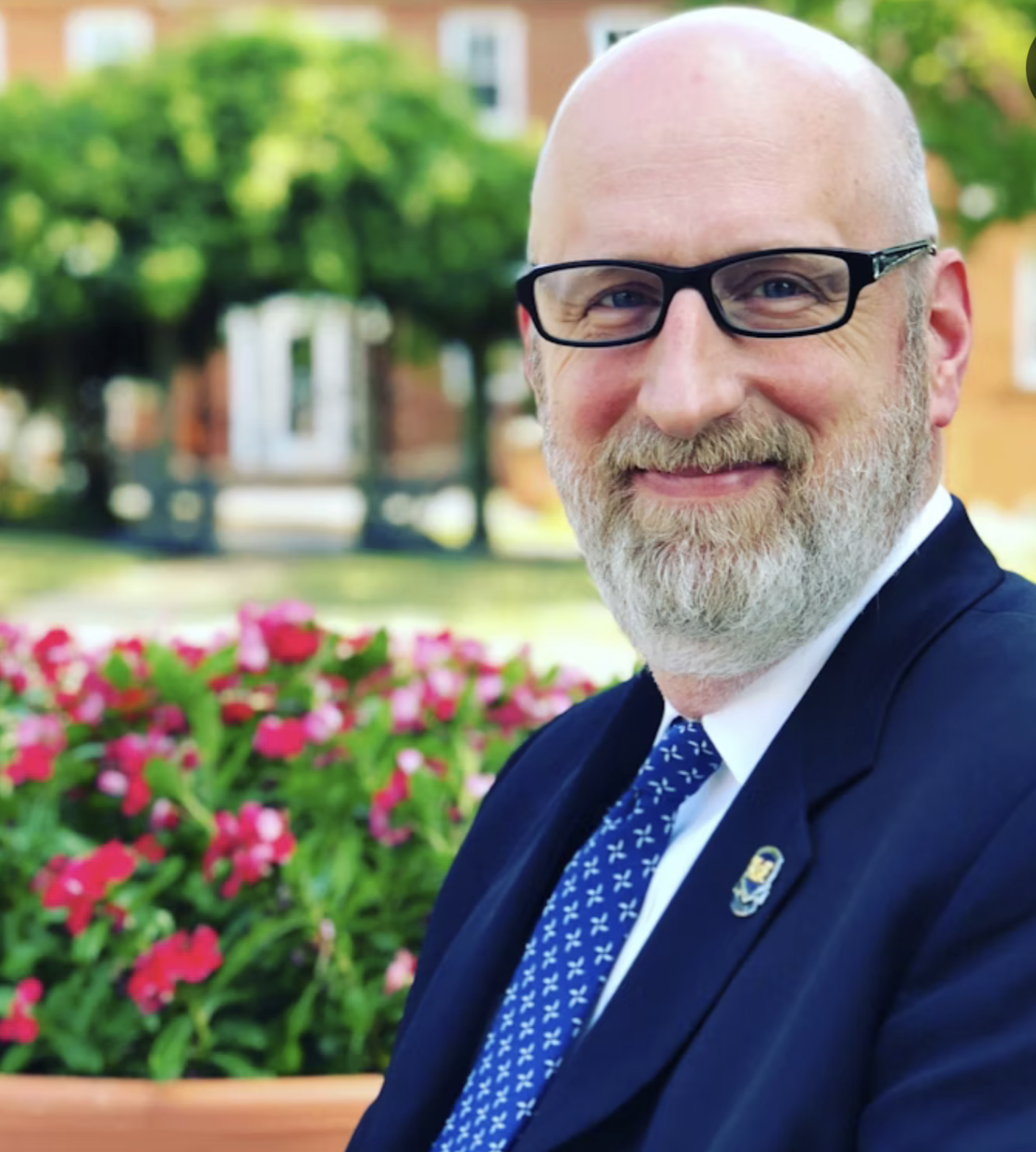
David French
David French is an opinion columnist at The New York Times. French is also a senior editor at The Dispatch and co-host of the Advisory Opinions podcast. He was previously a senior writer for National Review and a columnist for Time. He is a former constitutional litigator and a past president of the Foundation for Individual Rights in Education. French is the author of books including Divided We Fall: America’s Secession Threat and How to Restore Our Nation and the New York Times best seller The Rise of ISIS. He is a former major in the United States Army Reserve and a veteran of Operation Iraqi Freedom, where he was awarded the Bronze Star.
-
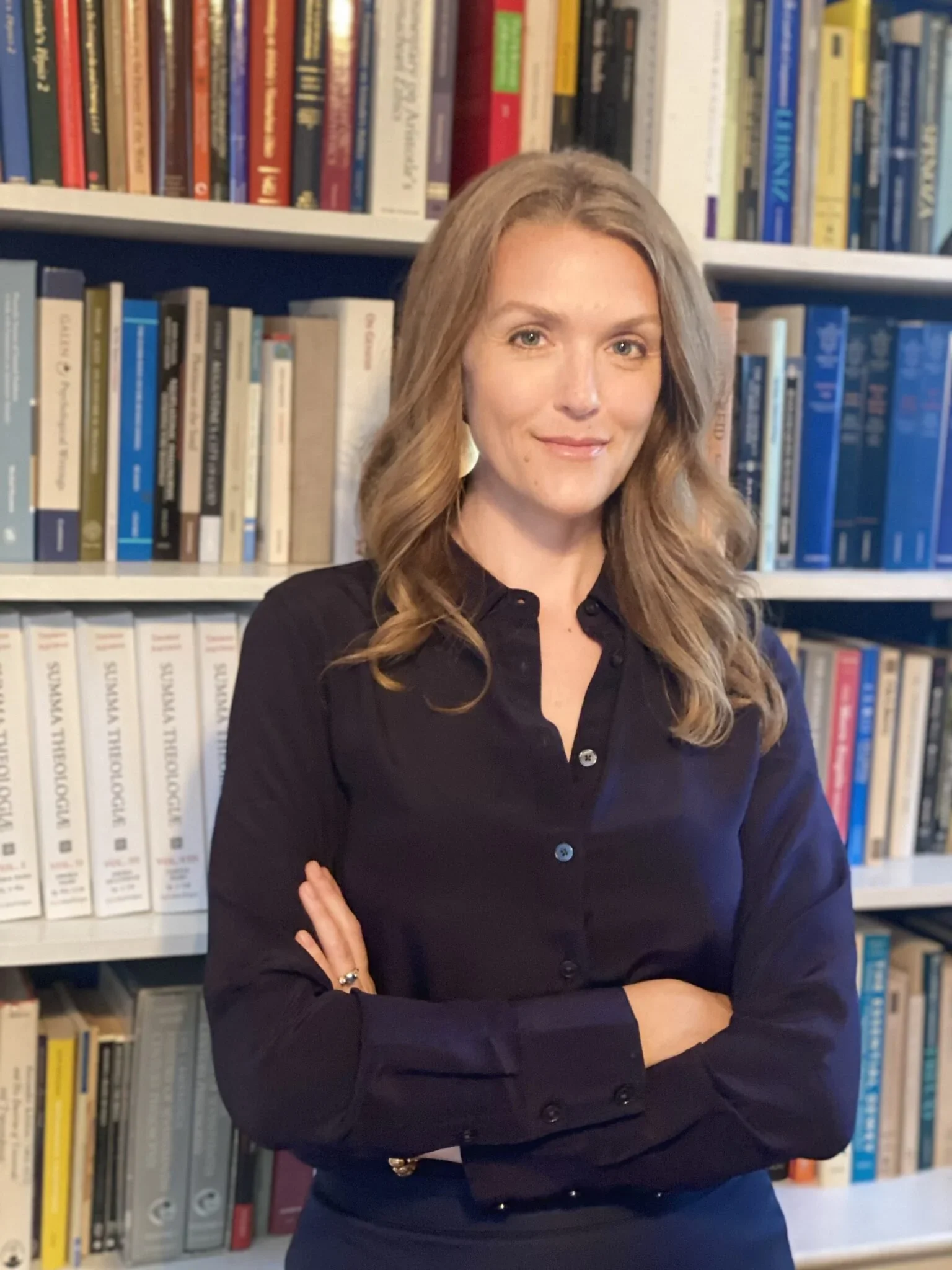
Jennifer Frey
Jennifer Frey is the Dean of the Honors College at the University of Tulsa, with a secondary appointment as professor of philosophy in the Department of Philosophy and Religion. Previously, she was an Associate Professor of philosophy at the University of South Carolina, where I was also a Peter and Bonnie McCausland faculty fellow in the College of Arts and Sciences. She is a faculty fellow at the Institute for Human Ecology at the Catholic University of America, and a Newbigin Interfaith Fellow with The Carver Project. She earned her Ph.D. in philosophy at the University of Pittsburgh and her B.A. in Philosophy and Medieval Studies (with a Classics minor) at Indiana University-Bloomington.
-

Sara Hendren
Sara Hendren is an artist and professor at Northeastern University College of Art, Media + Design, with a joint appointment in the School of Architecture. Hendren’s art and design works have been exhibited worldwide and are held in the permanent collections at MoMA, the Victoria & Albert Museum, and the Cooper Hewitt Museum. Her book What Can A Body Do? How We Meet the Built World (Riverhead/Penguin Random House, 2020) explores the places where disability meets design. For nearly a decade at Olin College of Engineering, Hendren taught human-centered design and design for disability for engineering students and where she was the Principal Investigator for “Sketch Model — Integrating STEM Education with Arts and Humanities: Three Experimental Approaches.”
-
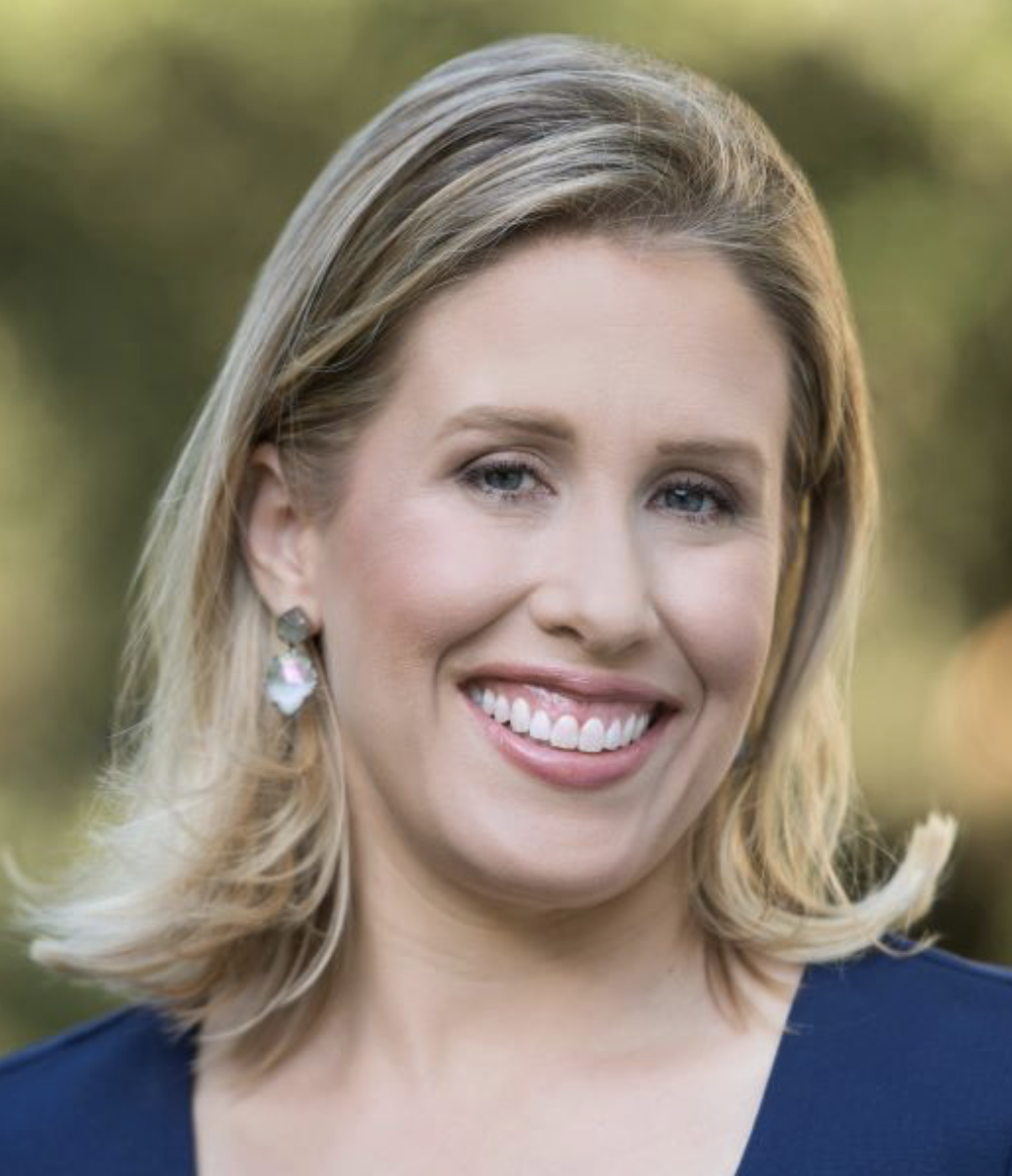
Elisabeth Rain Kincaid
Elisabeth Rain Kincaid is the Director for the Institute for Faith and Learning at Baylor University. She has published broadly in peer-reviewed journals and popular publications, and is the author of Law from Below: How the Thought of Francisco Suarez, SJ Can Renew Contemporary Legal Engagement (Georgetown, 2024). She is a frequent speaker at conferences, churches, and professional events on topics including business ethics, virtue and character, Christian engagement with law and politics, and work and vocation. Prior to teaching, Rain Kincaid worked in as a white-collar criminal defense attorney, a private equity professional, and a campus minister. She has a B.A. from Rice University, a J.D. from the University of Texas, and a Ph.D. from the University of Notre Dame.
-
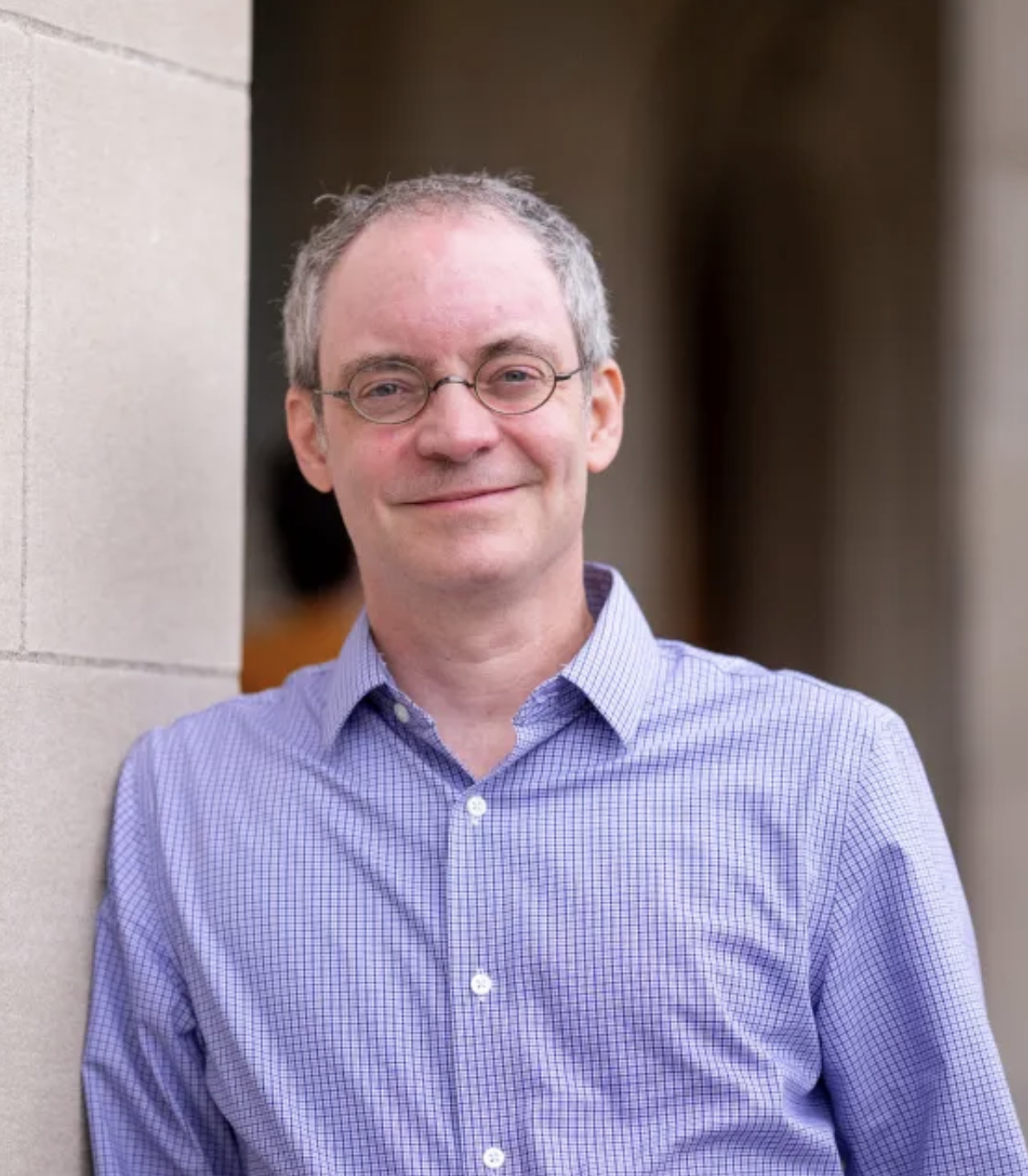
Frank Lovett
Frank Lovett is Associate Chair and Professor of Political Science at Washington University, as well as Director of Legal Studies. He received his PhD in Political Science from Columbia University in 2004, and prior to coming to Washington University he held a postdoctoral fellowship in the Department of Clinical Bioethics at the National Institutes of Health. From 2008-2009 he was Laurance S. Rockefeller Visiting Fellow, University Center for Human Values at Princeton University. His primary research concerns the role of freedom and domination in developing theories of justice, equality, and the rule of law. Among the core political theory faculty, he teaches courses in normative political theory and the history of political thought.
-
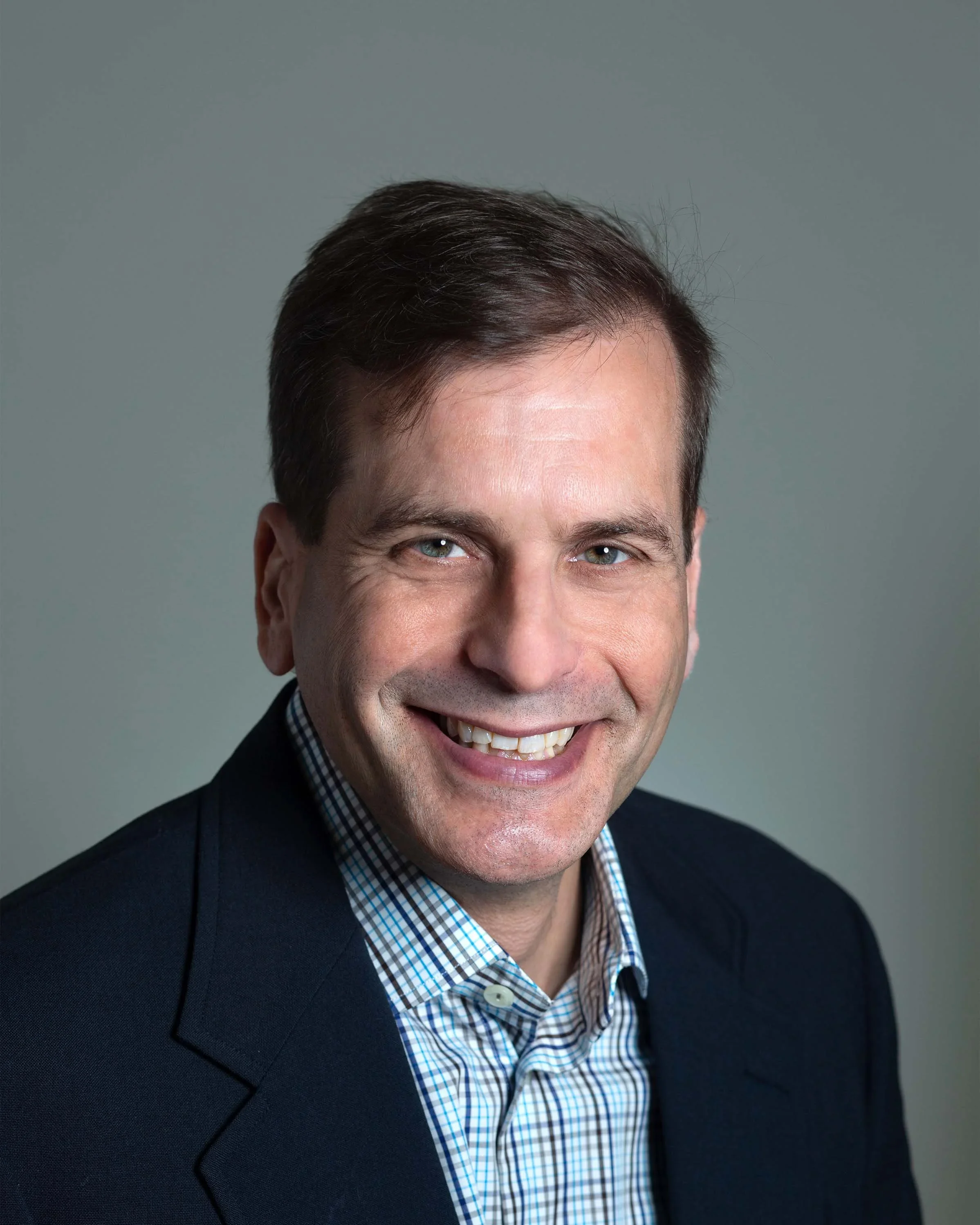
Evan Mandery
Evan Mandery is a professor at John Jay College of Criminal Justice at the City University of New York. An Emmy and Peabody award winner, he is the author of eight books, including four novels and, most recently, Poison Ivy: How Elite Colleges Divide Us. Mandery is a contributing editor to Politico and the co-founder and board chairman of Class Action, a grassroots nonprofit that combats career funneling and fights for greater equity in admissions to elite colleges. Evan lives in Montclair, New Jersey with his wife Valli Rajah, a sociologist. They have three children.
-
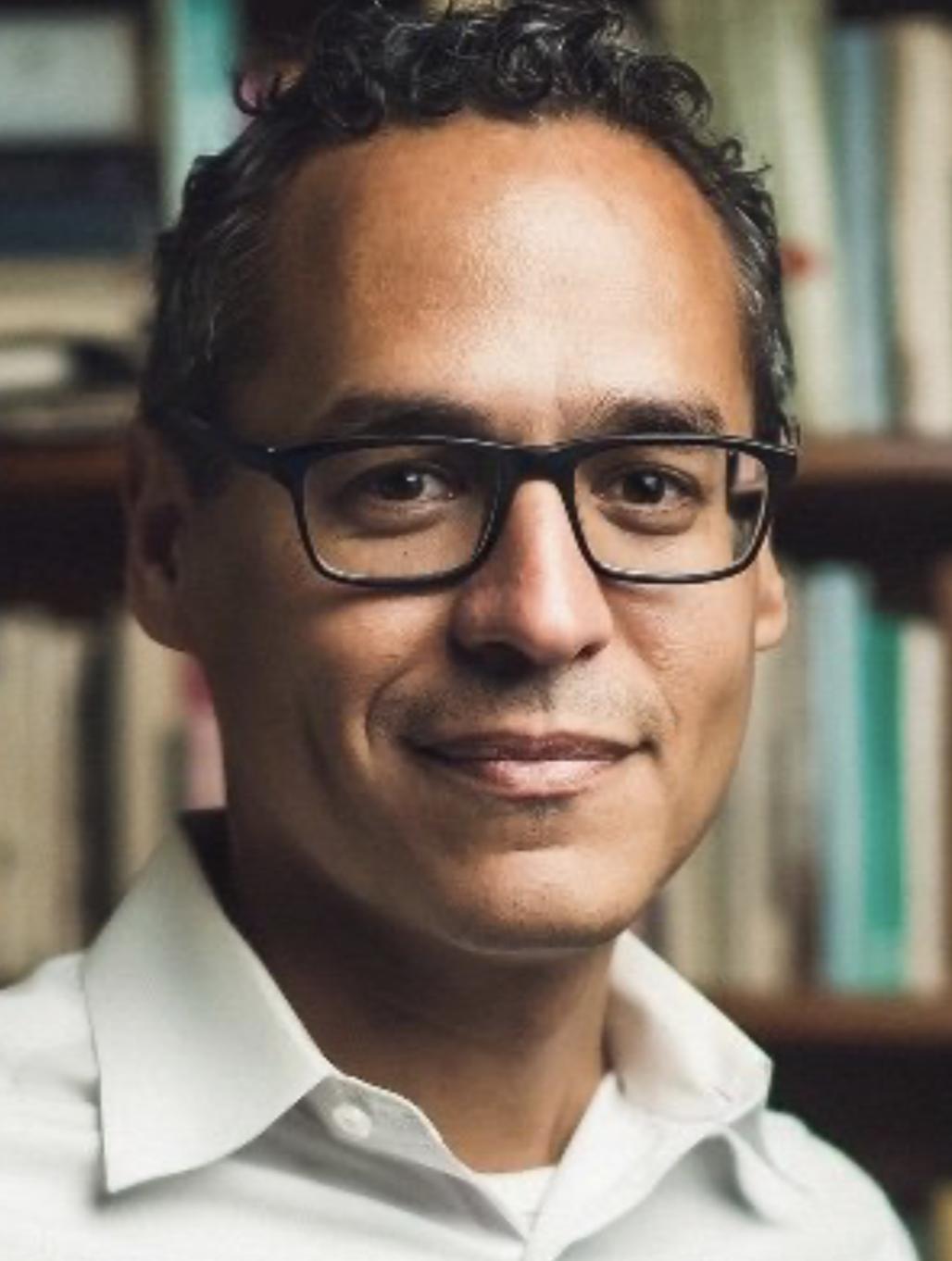
Roosevelt Montás
Effective 2025, Roosevelt Montás is the John and Margaret Professor in Liberal Education and Civic Life at Bard College. He holds an A.B., M.A., and Ph.D. in English and Comparative Literature from Columbia University. From 2008 to 2018, he directed the Center for the Core Curriculum at Columbia College. Montás specializes in Antebellum American literature and culture, with a particular interest in American citizenship. He is the author of Rescuing Socrates: How the Great Books Changed My Life and Why They Matter for a New Generation (Princeton University Press, 2021).
-
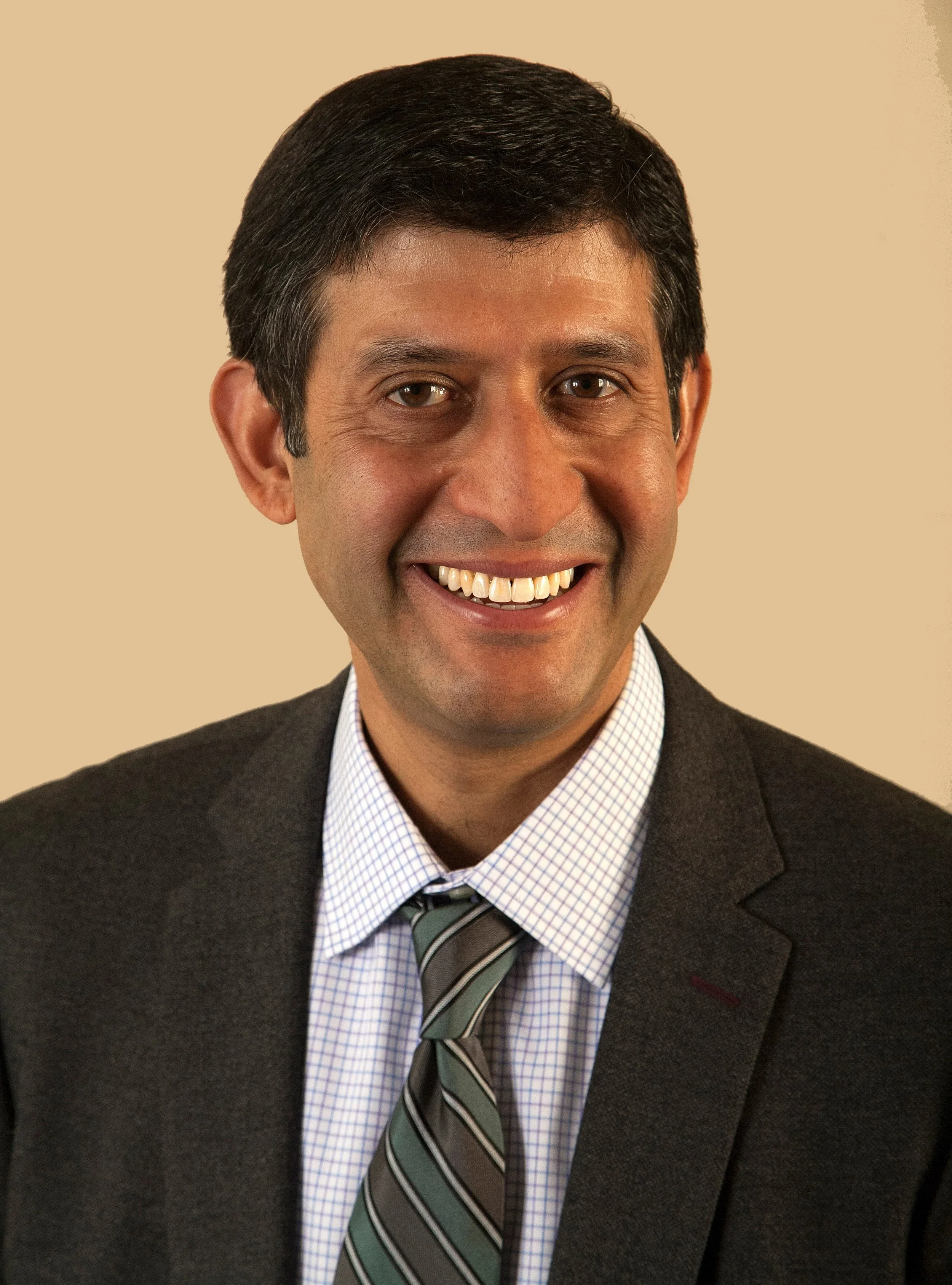
Johann Neem
Johann Neem is Professor of History at Western Washington University. He is the author of What’s the Point of College? Seeking Purpose in an Age of Reform; Democracy’s Schools: The Rise of Public Education in America; and Creating a Nation of Joiners: Democracy and Civil Society in Early National Massachusetts. With Joanne B. Freeman, he is co-editor of the volume Jeffersonians in Power. His writing has appeared in the Chronicle of Higher Education, the Hedgehog Review, Inside Higher Ed, and the Los Angeles Review of Books, among other academic and public venues. Neem is also the editor of the Journal of the Early Republic.
-
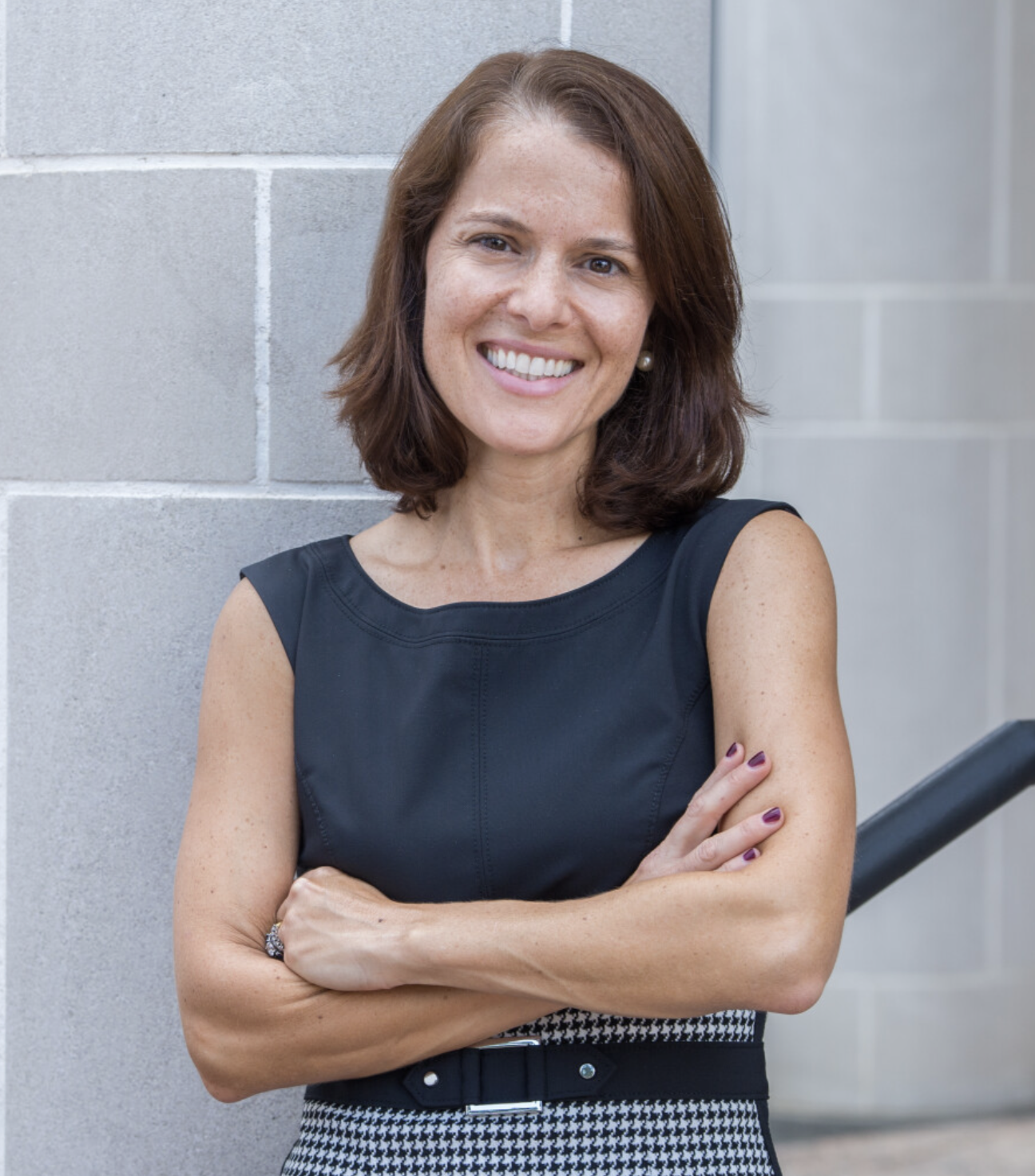
Mary-Rose Papandrea
Mary-Rose Papandrea is the Burchfield Professor of First Amendment and Free Speech Law at George Washington Law School. Her teaching and research interests include constitutional law, media law, civil procedure, national security, and torts. Papandrea’s work has appeared in the Michigan Law Review, Northwestern Law Review, and Minnesota Law Review, among others. She is the co-author of the casebook Media and the Law (2nd ed. 2014) (with Lee Levine and David Ardia). She attended Yale College and the University of Chicago Law School. Prior to teaching, Papandrea clerked for Associate Justice David H. Souter of the United States Supreme Court and practiced law at Williams & Connolly LLP in Washington, D.C.
-
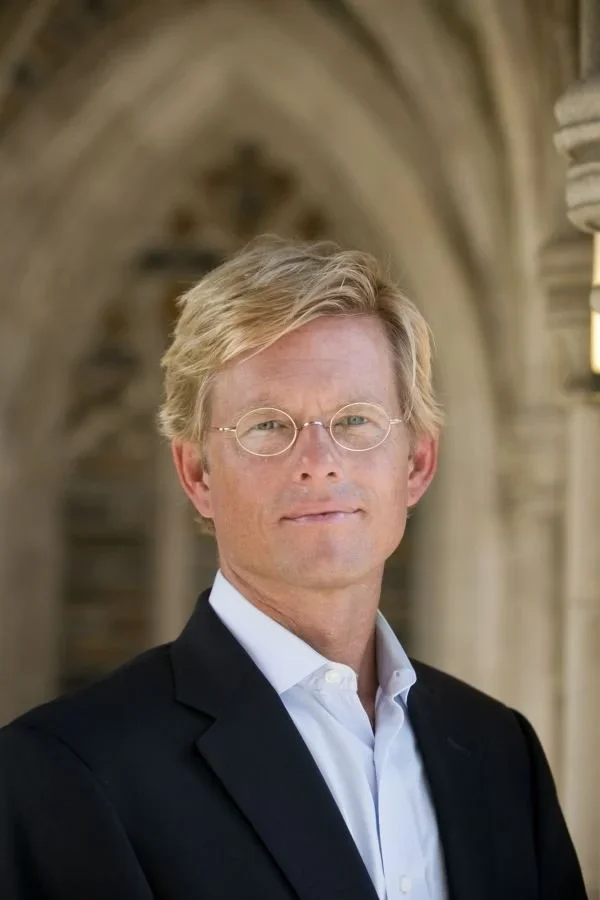
Kavin Rowe
Kavin Rowe is the vice dean of the faculty and the George Washington Ivey Distinguished Professor of New Testament at Duke Divinity School. Rowe’s three-volume series of collected essays is published by Eerdmans, and he has written four other books: Christianity's Surprise: A Sure and Certain Hope (Abingdon, 2020), One True Life: the Stoics and Early Christians as Rival Traditions (Yale University Press, 2016), World Upside Down: Reading Acts in the Graeco-Roman Age (Oxford University Press, 2009, paperback 2010), and Early Narrative Christology (de Gruyter, 2006). Rowe has been a Fulbright Scholar, Regional Scholar for the Society of Biblical Literature, chair of the Society’s Southeastern Region New Testament section, president of the Society's Southeastern Region, and was elected to the Studiorum Novi Testamenti Societas.
-
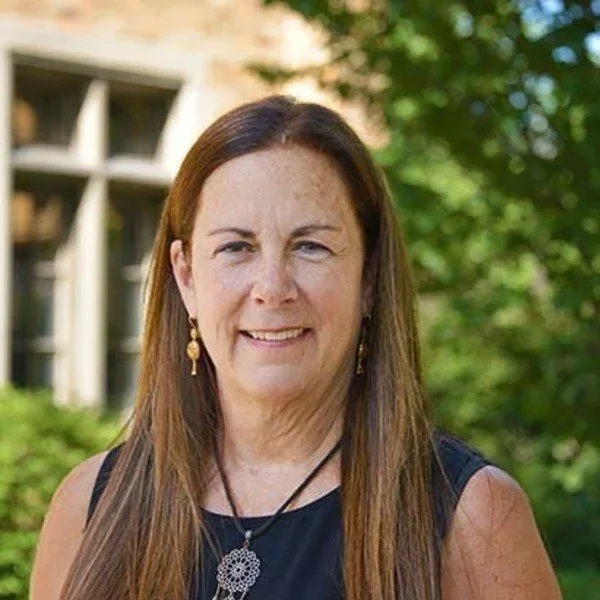
Suzanne Shanahan
Suzanne Shanahan is the Leo and Arlene Hawk Executive Director and professor of the practice at the Institute for Social Concerns at the University of Notre Dame. She leads Virtues & Vocations, a national forum for scholars and practitioners across disciplines focused on cultivating character and purpose in pre-professional and professional education. Shanahan previously led the Kenan Institute for Ethics and more recently DukeEngage, Duke University’s signature civic engagement program. At Duke she founded the Kenan Refugee Project, a six-country, community-engaged research project on forced migration. Her current research focuses on forced migration and moral responsibility. Other current work explores the drivers of domestic child sex trafficking and dynamics of racial collective action in the United States and Europe. She received her PhD in sociology from Stanford University.
-
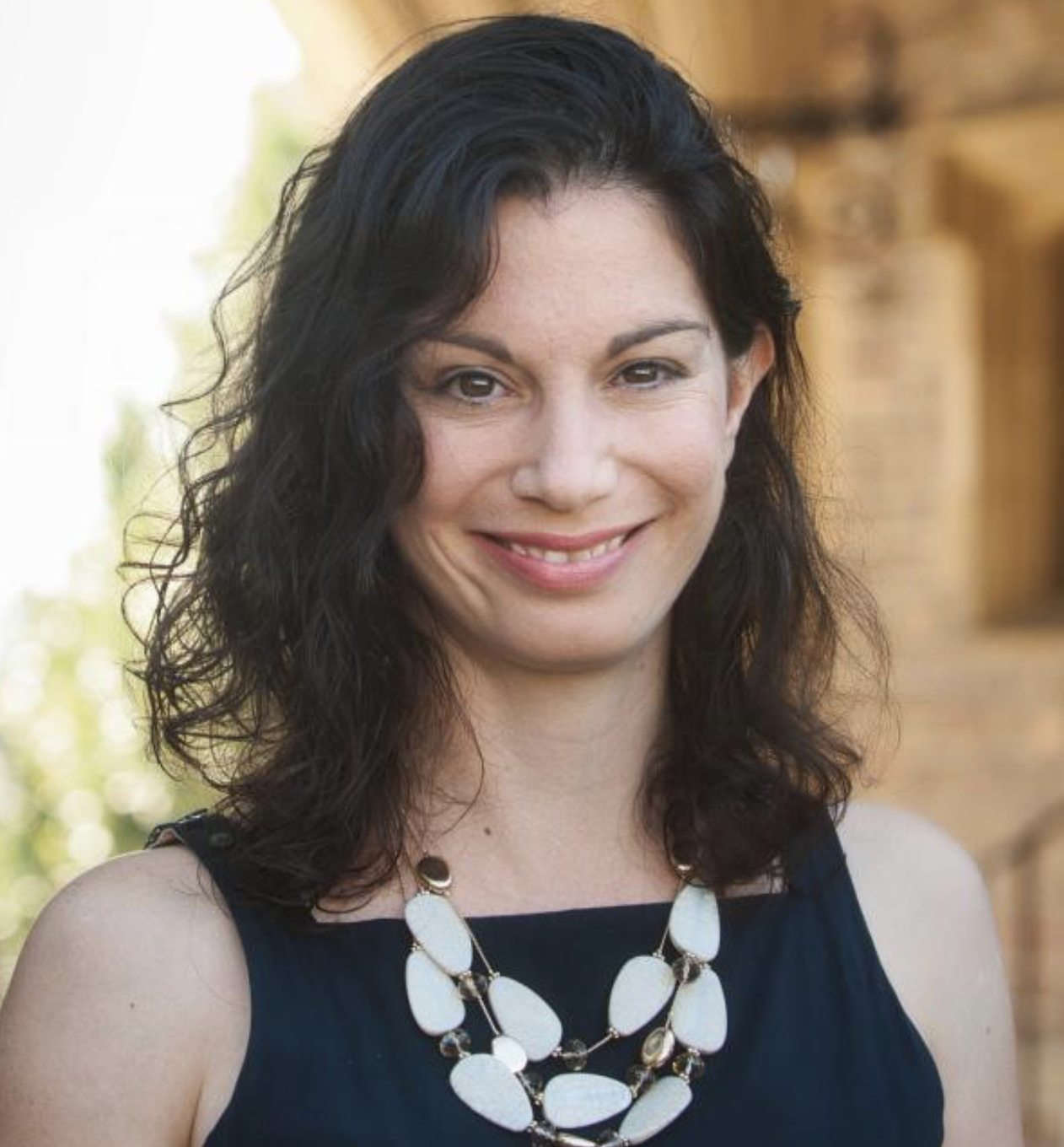
Jennifer Smith
Jennifer Smith is the Vice Provost for Educational Initiatives and Professor of Earth and Planetary Sciences at Washington University. Her administrative duties include enhancing equity in undergraduates’ academic opportunities, experiences and outcomes; deepening student research experiences; assessing educational programs; and fostering innovation in educational programs and practices. Her research focuses on understanding the interaction between humans and their environment as recorded in the archaeological record. Most of her work uses tools from sedimentology, geomorphology and geochemistry to reconstruct the landscapes and environments occupied by prehistoric people.
-
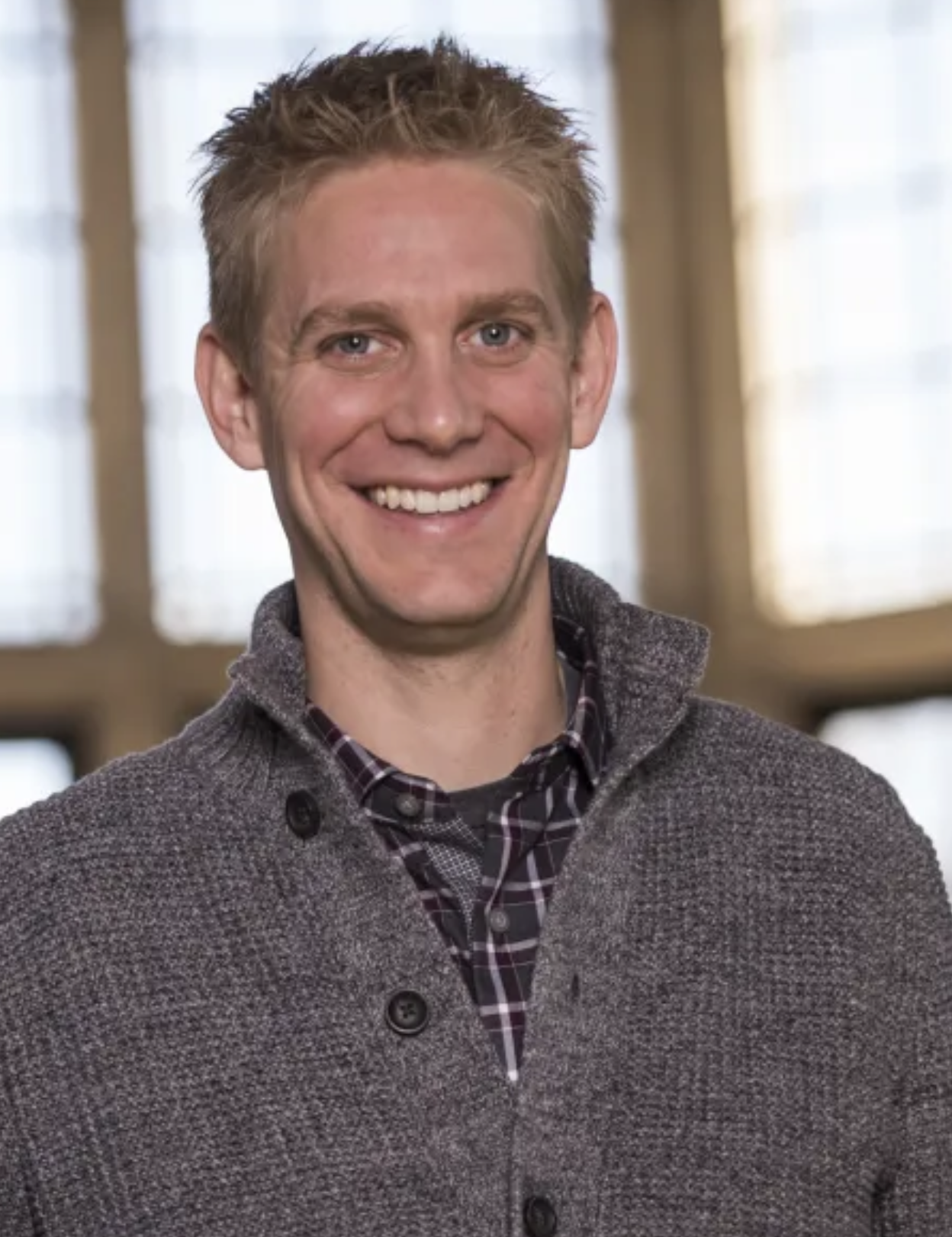
Abram Van Engen
Abram Van Engen is the Stanley Elkin Professor in the Humanities and chair of the English Department at Washington University and Director of the John C. Danforth Center on Religion and Politics. Van Engen has published widely on religion and literature, focusing especially on seventeenth-century Puritans and the way they have been remembered and remade in American culture. He is the author of several books, including City on a Hill: A History of American Exceptionalism (Yale, 2020).
-
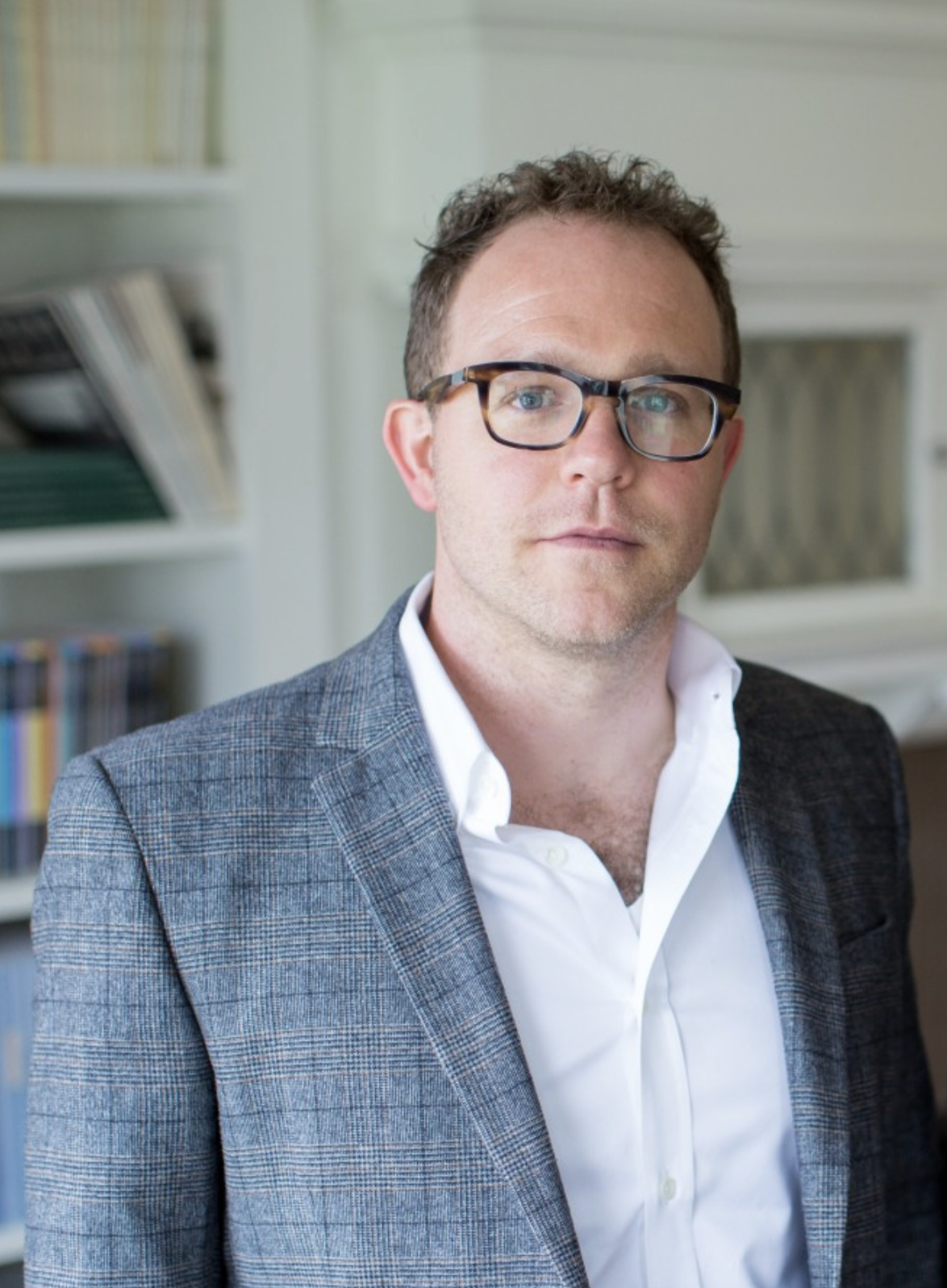
Chad Wellmon
Chad Wellmon is Professor of German Studies at the University of Virginia. His primary research and teaching areas include European intellectual history, Romanticism, and media and social theory. He is the author of numerous books, including After the University: On the Past and Future of Intellectual Work (under contract, Johns Hopkins University Press). In 2016, he chaired the General Education Committee that led to the most comprehensive changes to UVA’s undergraduate student curriculum in more than 40 years. Wellmon holds a B.A. Political Philosophy and German from Davidson College and Ph.D. in German Studies from the University of California, Berkeley.